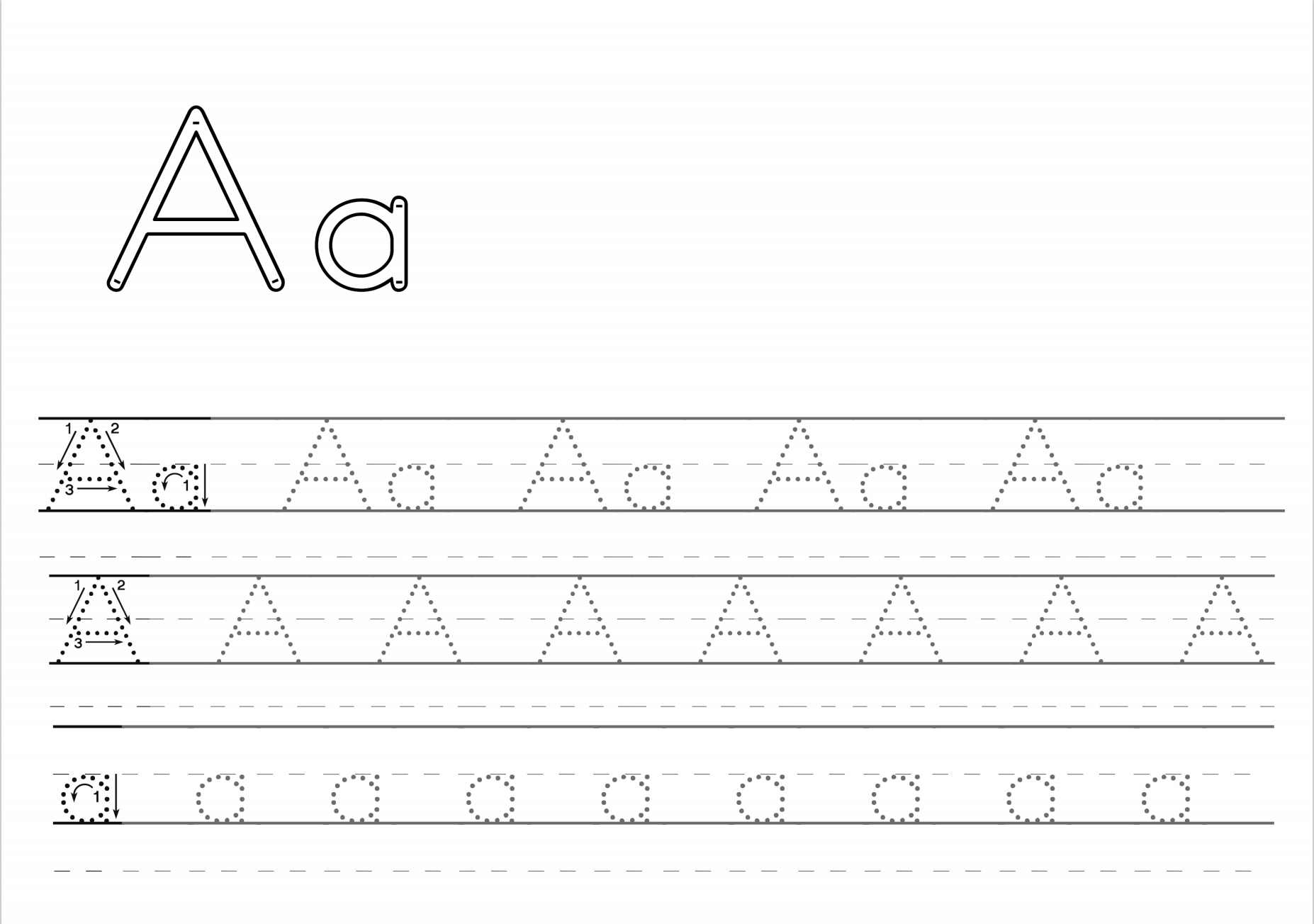
Introducing Free Kindergarten Paper Letters is an exciting way to enhance early literacy skills in young learners. These printable worksheets provide a hands-on approach to learning the alphabet, allowing children to engage in cut and paste activities that promote fine motor skills and letter recognition. In this article, we will explore various activities and strategies to effectively use these worksheets in both classroom and home settings.
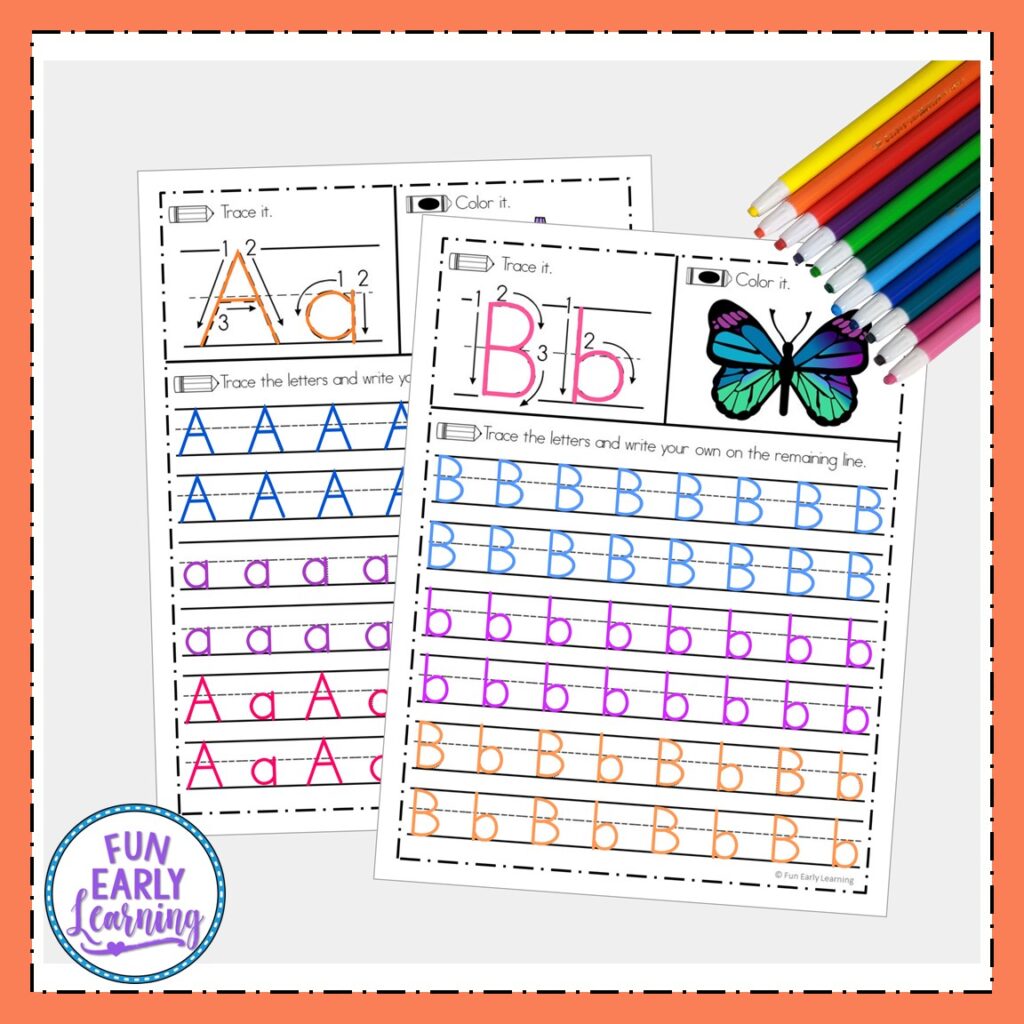
Free Kindergarten Paper Letters
Benefits of Using Free Kindergarten Paper Letters
Free Kindergarten Paper Letters serve multiple educational purposes. They help children:
- Recognize and identify letters of the alphabet.
- Develop fine motor skills through cutting and pasting.
- Enhance cognitive skills by matching letters with corresponding images or words.
- Encourage creativity and self-expression during hands-on activities.
Engaging Activities with Paper Letters
Here are some engaging activities that utilize Free Kindergarten Paper Letters:
1. Alphabet Collage
Children can create an alphabet collage by cutting out letters from the worksheets and pasting them onto a larger sheet of paper. This activity not only reinforces letter recognition but also allows for creative expression as children can decorate their collages with drawings or stickers.
2. Letter Matching Game
Create a matching game by printing two sets of letters. Children can cut out the letters and then match them with corresponding objects or pictures around the classroom or home. This activity enhances cognitive skills while making learning interactive.
3. Scissor Practice
Using child-safe scissors, children can practice their cutting skills by following the lines on the paper letters. This activity is crucial for developing fine motor skills, which are essential for writing later on.
Incorporating Letter Sounds
To further enhance literacy skills, incorporate letter sounds into activities. For example, as children cut out each letter, encourage them to say its sound aloud. This phonetic practice helps solidify their understanding of how letters correspond to sounds, laying a foundation for reading.
Adjusting Difficulty Levels
It’s important to recognize that children develop at different rates. Here are some suggestions for adjusting the difficulty of activities:
- Younger learners: Provide larger letters with clear cutting lines for easier handling.
- Older learners: Introduce lowercase letters or more complex shapes to challenge their skills.
- Advanced learners: Encourage them to create words using the letters they cut out, promoting early spelling skills.
Practical Tips for Printing and Preparation
When preparing Free Kindergarten Paper Letters for use, consider the following tips:
- Paper Type: Use US Letter paper for easy printing and handling.
- Color vs. Black-and-White: Color printing can be more engaging for children, but black-and-white versions are also effective and cost-efficient.
- Clear Cutting Lines: Ensure that cutting lines are clear and easy to follow to aid young learners in their scissor practice.
- Organizing Cutouts: Use small containers or envelopes to keep cut-out pieces organized after they are cut out.
Home Learning Applications
The use of Free Kindergarten Paper Letters is not limited to classrooms; they can also be effectively used at home. Parents can set up a dedicated learning space where children can engage in these activities freely. Incorporating everyday items such as magazines or household objects can make learning even more relatable and fun.
Differentiated Classroom Activities
If you’re a teacher looking to implement these worksheets in your classroom, consider differentiated instruction strategies:
- Create small groups based on skill levels, allowing for targeted instruction.
- Use peer teaching where advanced students help those who may struggle with letter recognition.
- Incorporate technology by using tablets or computers where children can interact with digital versions of the letters.
The Importance of Supervision
Please remember that adult supervision is essential during cutting activities. Ensure that children use child-safe scissors and provide assistance when necessary. For younger learners, consider precutting some pieces to simplify the task and reduce frustration.
Conclusion: Fostering a Love for Learning
The use of Free Kindergarten Paper Letters offers an engaging way to foster early literacy skills while promoting fine motor development through hands-on activities. By incorporating these worksheets into daily routines at home or in the classroom, educators and parents can create a rich learning environment that encourages exploration and creativity in young learners. For more resources on early childhood education, visit CutPasteWorksheets.net.
If you’re looking for additional resources related to preschool education, check out our collection of printable worksheets designed specifically for early learners!
Download Free Kindergarten Paper Letters
Lined Paper
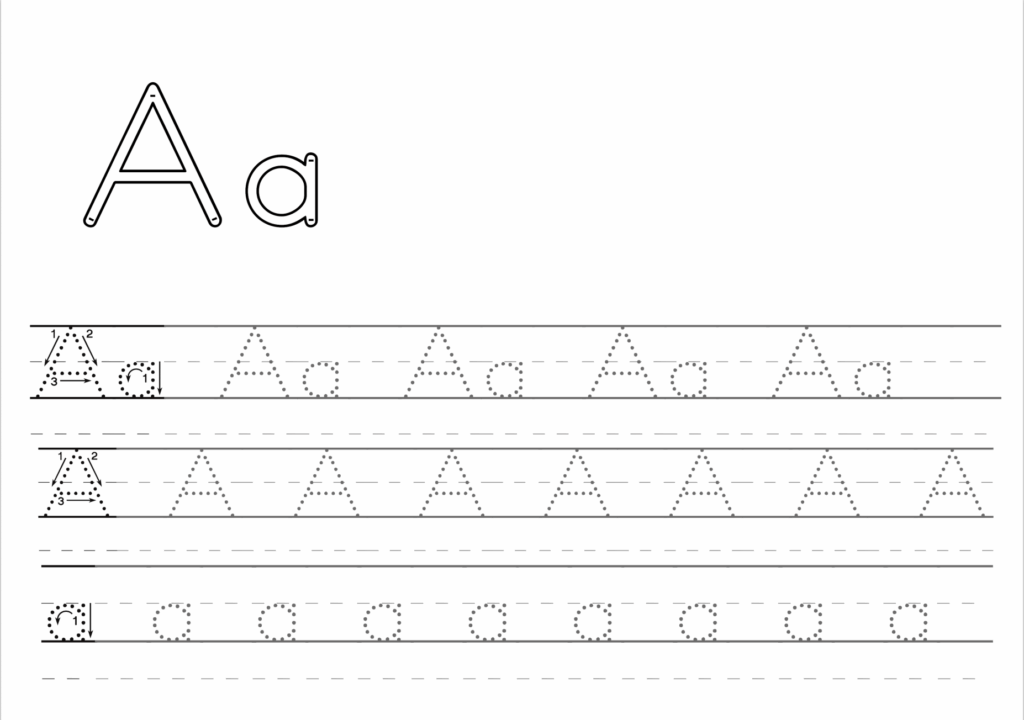
Free Traceable Alphabet