Engaging young learners in hands-on activities is essential for their development. One popular method is through cut and glue activities, which not only entertain but also enhance fine motor skills. In this article, we will explore various cut and glue kids activities that can be easily integrated into preschool and kindergarten settings. These activities promote creativity, improve hand-eye coordination, and foster early literacy skills while providing a fun learning experience.
Cut And Glue Kids
Benefits of Cut and Glue Activities
Cut and glue activities offer numerous benefits for young children. They help develop fine motor skills as children practice using scissors and applying glue. Additionally, these activities encourage creativity and self-expression, allowing children to create unique projects. Furthermore, cut and glue tasks can enhance cognitive skills such as sorting, matching, and problem-solving.
Essential Materials for Cut and Glue Activities
Before starting any cut and glue project, it’s important to gather the necessary materials. Here’s a list of essential items:
- Child-safe scissors: Ensure they are appropriate for young children.
- Washable glue sticks: Easy to use and clean up.
- Colorful paper: Various colors and textures can enhance creativity.
- Printable worksheets: Pre-designed templates can guide the activity.
- Organizing trays: To keep small cutout pieces organized.
Creative Cut and Glue Kids Activities
Here are some engaging cut and glue activities that can be easily implemented in the classroom or at home:
1. Themed Collages
Create themed collages based on seasons, holidays, or animals. Provide children with various cutouts related to the theme. For example, during fall, children can use colored leaves, pumpkins, and acorns to create a vibrant collage. This activity encourages creativity while reinforcing thematic vocabulary.
2. Story Sequencing
Use cutouts from a storybook or printable worksheets that depict different scenes. Ask children to arrange the images in the correct sequence to retell the story. This activity enhances comprehension skills and helps children understand narrative structure.
3. Shape Matching
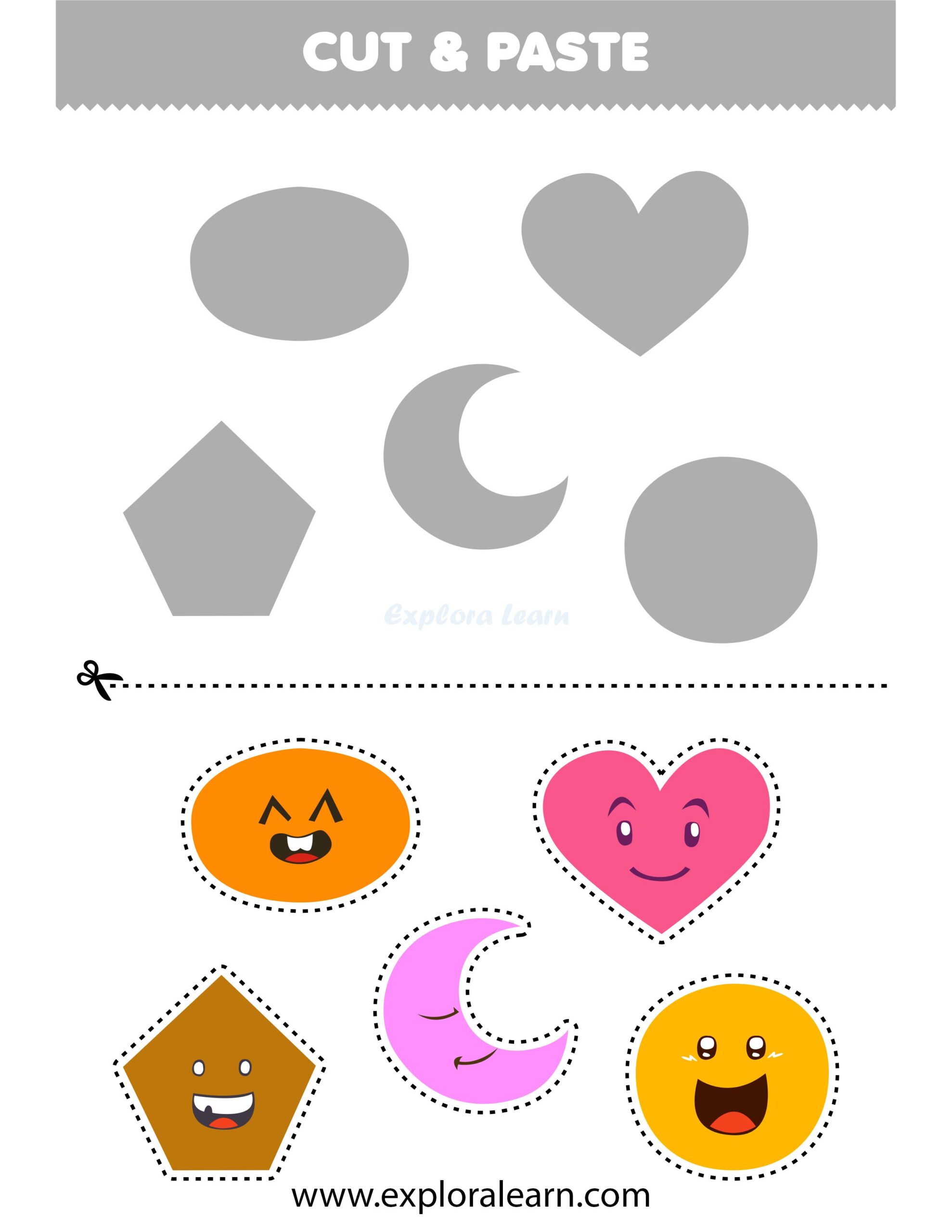
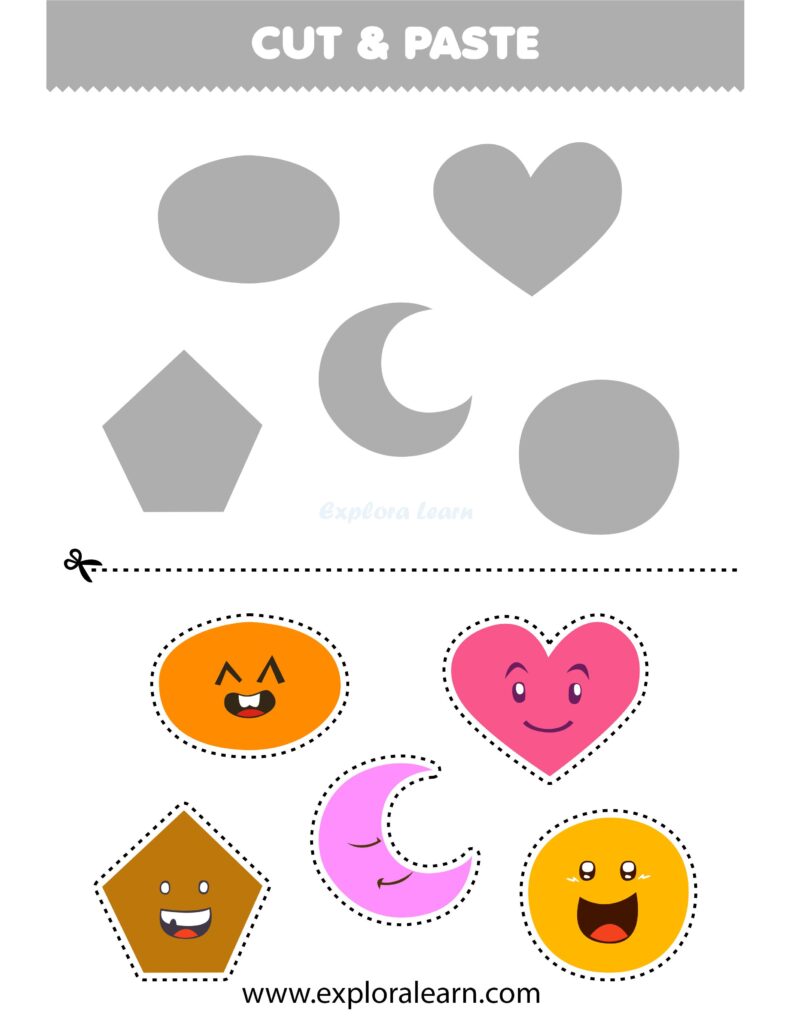
Create worksheets with different shapes that children can cut out. Provide a corresponding sheet with outlines of those shapes for them to glue onto. This activity reinforces shape recognition while developing fine motor skills through cutting and gluing.
4. Animal Habitats
Children can create dioramas of different animal habitats using cutouts of animals and their environments. For instance, they can make a jungle scene with trees, animals, and other elements. This hands-on project promotes understanding of ecosystems while allowing for creative expression.
Adjusting Difficulty Levels
When planning cut and glue activities, it’s important to consider the varying skill levels of children. Here are some tips for adjusting difficulty:
- Younger children: Provide larger cutouts that are easier to handle and require less precision when gluing.
- Older preschoolers: Introduce more intricate designs or smaller pieces to challenge their skills.
- Differentiation: Offer adult-precut pieces for those who may struggle with scissors while allowing others to use scissors independently.
Integrating Literacy Skills
Cut and glue activities can also support early literacy development. Here are some ways to incorporate literacy into these projects:
- Labeling Cutouts: Encourage children to label their creations with words or sentences related to their artwork.
- Create a Storybook: Have children create their own storybooks using cutouts from various themes they enjoy.
- Sight Words Collage: Use sight words as part of a collage project where children find words in magazines or printables to glue onto their artwork.
Cognitive Development Through Sorting and Matching
Cognitive skills such as sorting and matching can be enhanced through cut and glue activities. Here’s how:
- Sorting by Color or Size: Provide various cutouts for children to sort by color or size before gluing them onto a worksheet.
- Matching Games: Create matching pairs of images that children must find before gluing them together on a board.
Practical Tips for Successful Activities
To ensure a smooth experience during cut and glue activities, consider the following practical tips:
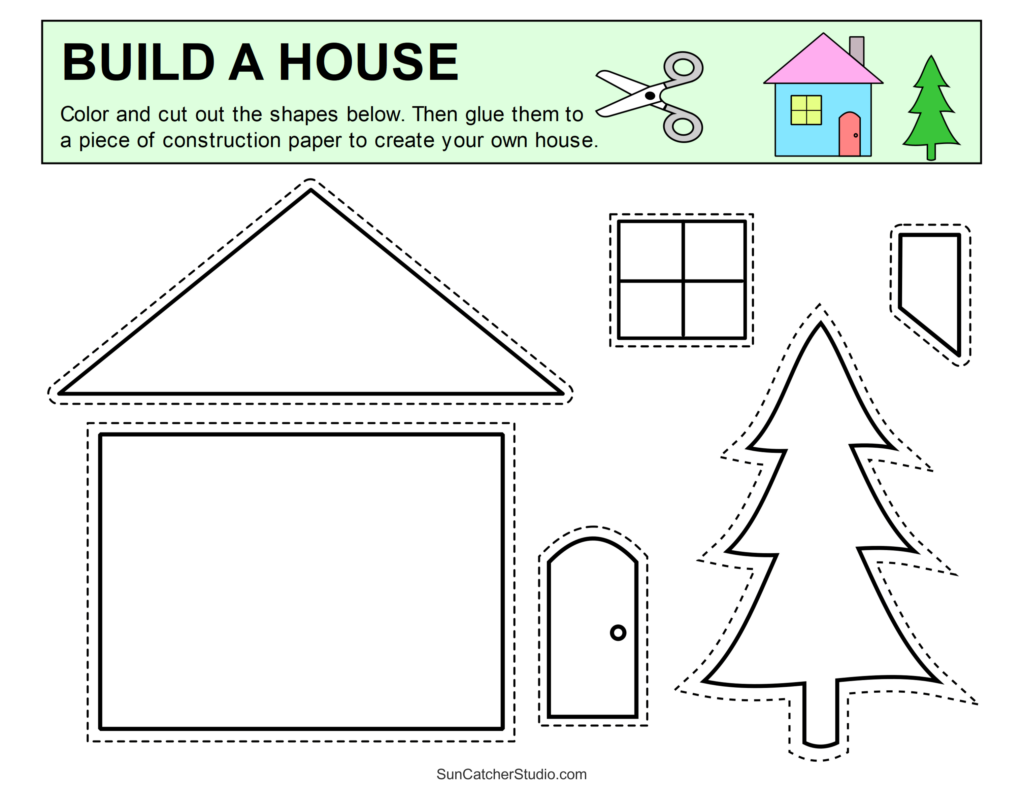
- Create Clear Cutting Lines: Use dotted lines on worksheets to guide cutting.
- Select Appropriate Paper Thickness: Use lightweight paper for easy cutting but sturdy enough for gluing.
- Pace the Activity: Allow ample time for each step—cutting, arranging, gluing—to avoid rushing.
The Role of Adult Supervision
While engaging in cut and glue activities, adult supervision is crucial for safety. Ensure that adults are present to assist with cutting if needed, especially for younger children who may struggle with scissors. Encourage safe practices by demonstrating how to hold scissors properly and how much pressure to apply when using glue sticks.
The Importance of Reusing Worksheets
Cuts and glues kids activities can be made even more sustainable by reusing worksheets. Consider laminating worksheets so that they can be used multiple times with dry-erase markers or by providing additional materials like fabric scraps or magazine clippings for new projects each time.
The world of cut and glue kids activities is rich with opportunities for learning through play. By incorporating these engaging projects into your educational routine, you can foster creativity, enhance fine motor skills, and support early literacy development in an enjoyable way. For more resources on printable worksheets tailored for young learners, visit CutPasteWorksheets.net.
If you’re looking for additional ideas on hands-on learning experiences or printable resources tailored specifically for preschool education, check out our collection of preschool worksheets.
This article
Download Cut And Glue Kids
Colour Cut Glue Craft Sheets For Kids
Cut And Glue Crafts