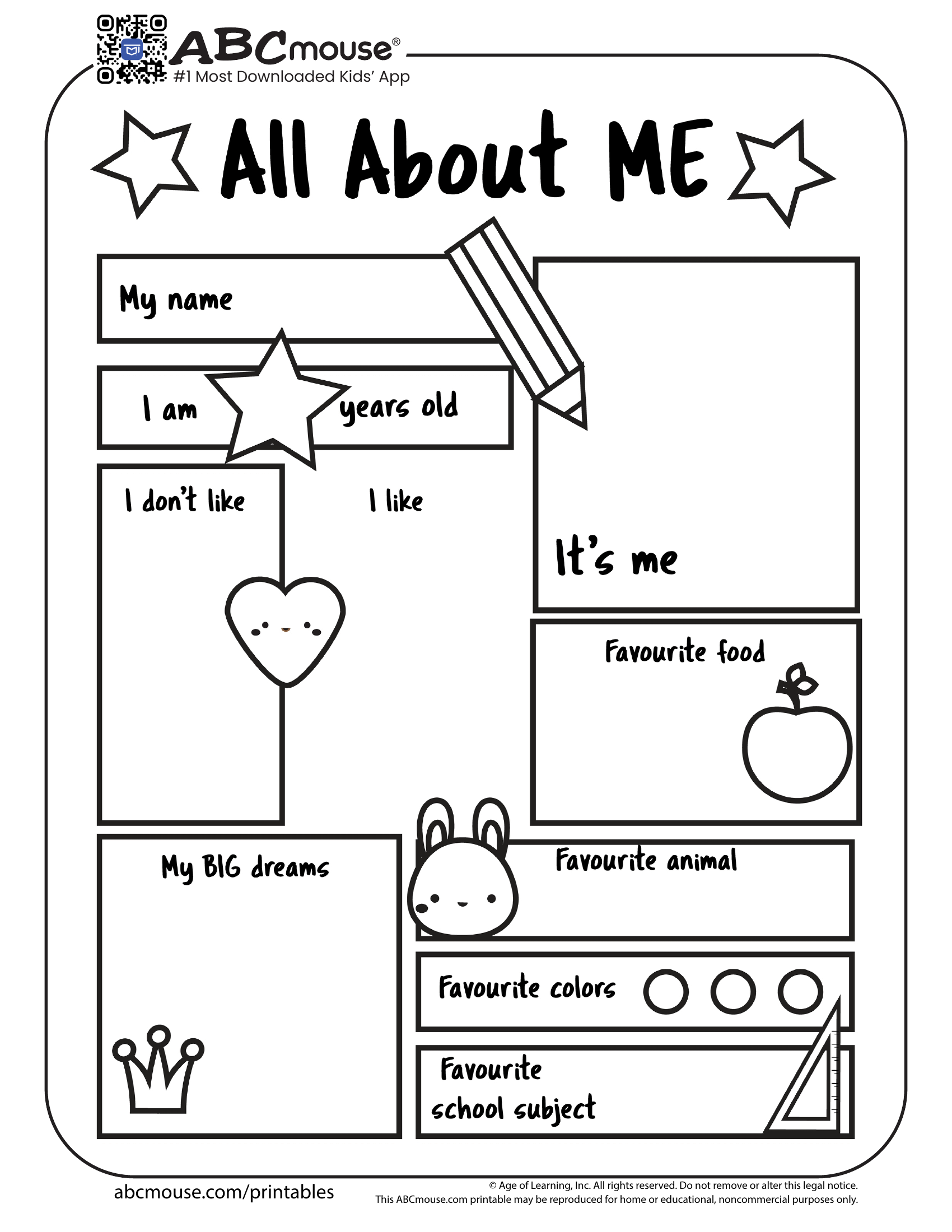
Finding engaging and educational activities for toddlers can be a challenge, but Free Preschool Worksheets Age 2 offer a fantastic solution. These worksheets are designed to support early learning through hands-on activities that promote fine motor skills, cognitive development, and creativity. In this article, we will explore various types of printable worksheets suitable for two-year-olds, focusing on their educational benefits and practical applications at home or in the classroom.
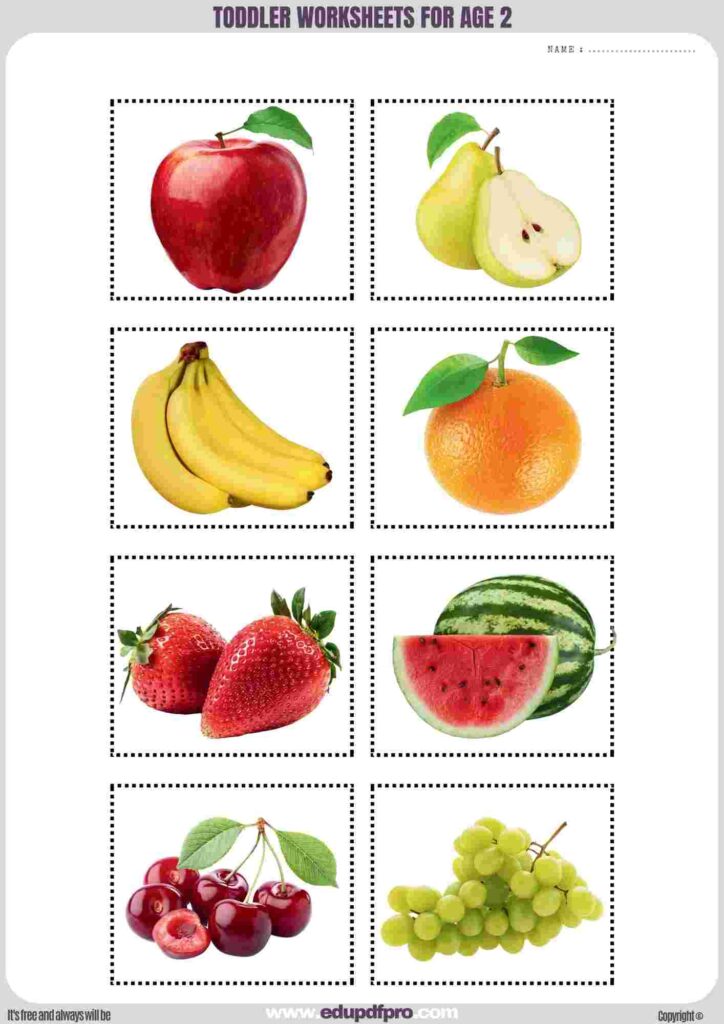
Free Preschool Worksheets Age 2
Benefits of Free Preschool Worksheets for Age 2
Printable worksheets for preschoolers provide numerous benefits that cater to the developmental needs of young children. Here are some key advantages:
- Fine Motor Skill Development: Activities that involve cutting, pasting, and coloring help strengthen hand-eye coordination and dexterity.
- Cognitive Growth: Worksheets encourage problem-solving and critical thinking through sorting, matching, and counting exercises.
- Early Literacy Skills: Engaging with letters, sounds, and simple words fosters a love for reading and language.
- Creativity and Imagination: Craft-based worksheets allow children to express themselves artistically while learning.
Types of Printable Worksheets for Two-Year-Olds
When selecting worksheets for toddlers, it’s essential to choose activities that are age-appropriate and engaging. Here are some popular types of worksheets:
1. Cut and Paste Activities
Cut and paste worksheets are excellent for developing fine motor skills. Children can practice using child-safe scissors to cut out shapes or images and then glue them onto another sheet. This activity not only enhances dexterity but also encourages creativity as children create their own scenes or collages.
2. Matching Games
Matching worksheets help toddlers recognize similarities and differences. For example, a worksheet might feature pictures of animals where children match each animal with its corresponding shadow. This activity promotes cognitive skills while being fun and interactive.
3. Sorting Worksheets
Sorting activities teach children how to categorize objects based on attributes such as color, size, or shape. A simple worksheet might ask children to sort different colored shapes into the correct boxes. This reinforces understanding of basic concepts while enhancing critical thinking skills.
4. Early Literacy Worksheets
Worksheets that focus on letters and sounds can spark an interest in reading from an early age. Activities may include tracing letters or identifying objects that start with a specific letter sound. These exercises lay the groundwork for future literacy skills.
Practical Applications at Home
Using free preschool worksheets at home can be a delightful way to engage your child in learning. Here are some practical tips:
- Create a Learning Space: Designate a specific area in your home where your child can work on worksheets comfortably.
- Use Everyday Materials: Incorporate items like crayons, stickers, or magazines for cut-and-paste projects to make learning more dynamic.
- Set a Routine: Establish a regular time for worksheet activities to create consistency in your child’s learning experience.
Classroom Applications for Educators
Teachers can effectively integrate printable worksheets into their lesson plans by considering the following strategies:
- Differentiated Instruction: Tailor worksheets to meet the varying skill levels within your classroom, providing simpler tasks for those who need them while challenging advanced learners.
- Thematic Units: Align worksheets with themes being taught in class (e.g., seasons, animals) to reinforce learning across different subjects.
- Group Activities: Encourage collaboration by having students work together on larger cut-and-paste projects that promote teamwork.
Tips for Printing and Preparing Worksheets
To ensure a smooth experience when using printable worksheets, consider these preparation tips:
- Paper Type: Use US Letter-sized paper (8.5 x 11 inches) for easy printing. Choose a thicker paper if possible to withstand cutting and gluing.
- Cutting Lines: Ensure clear cutting lines are provided on the worksheets to guide young learners effectively.
- Organize Materials: Keep scissors, glue sticks, and any small cutout pieces organized to minimize distractions during activities.
The Importance of Supervision
While engaging in cut-and-paste activities, adult supervision is crucial to ensure safety. Always use child-safe scissors and provide guidance during cutting tasks. For younger children who may struggle with scissors, consider precutting pieces ahead of time or offering simpler activities that do not require cutting.
Explore More Resources
If you’re looking for additional resources on early childhood education, consider visiting reputable organizations such as the National Association for the Education of Young Children (NAEYC). They provide valuable insights into best practices in early childhood education that can complement the use of printable worksheets.
The world of Free Preschool Worksheets Age 2 is filled with opportunities for fun and learning. By incorporating these engaging activities into daily routines at home or in the classroom, you can foster essential skills while making learning enjoyable for young children.
If you’re interested in more resources like this one, check out our collection of printable cut-and-paste worksheets at CutPasteWorksheets.net.
Download Free Preschool Worksheets Age 2
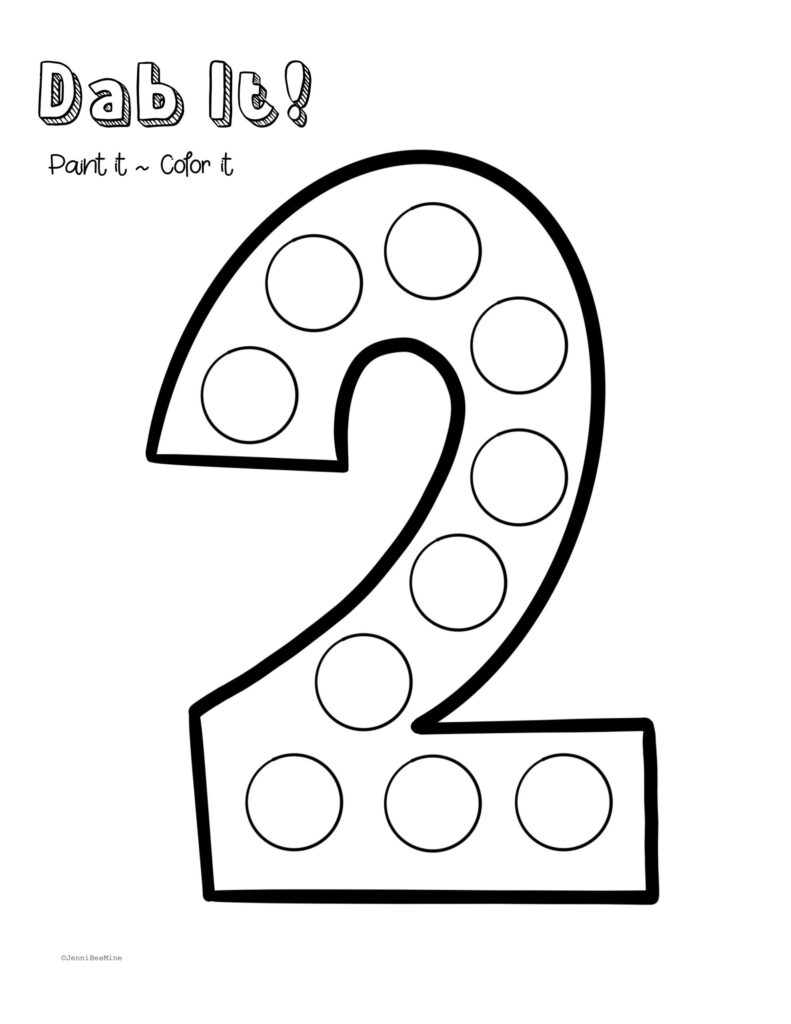
Free Preschool Printables Number 2
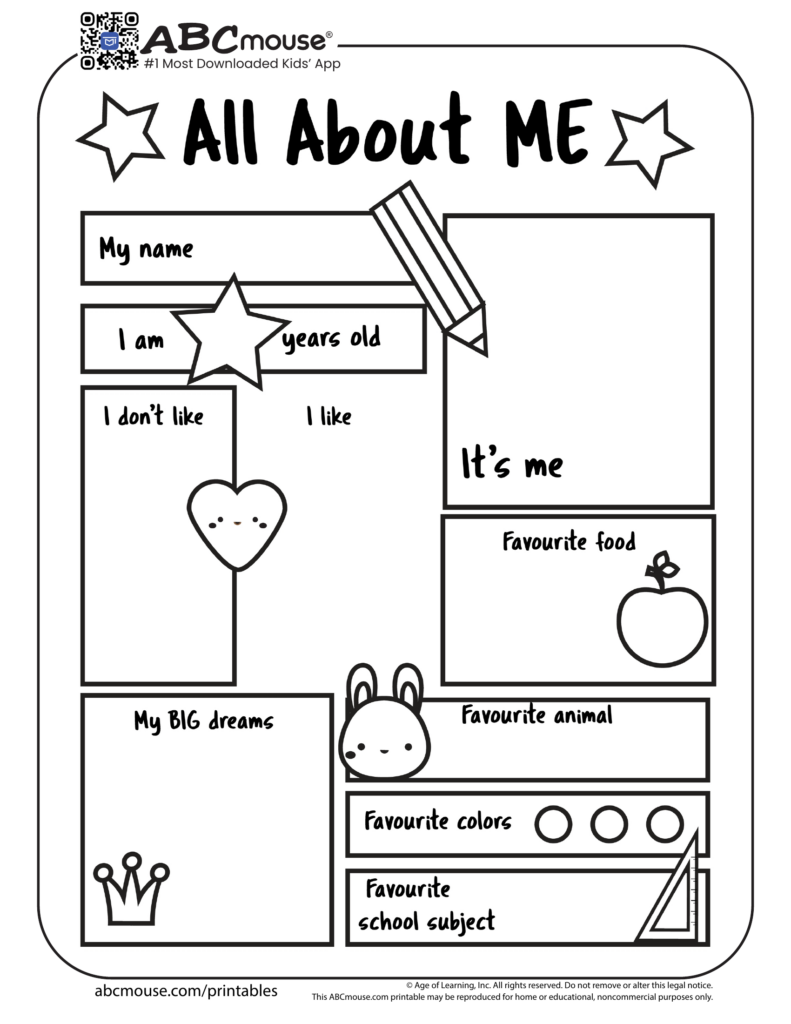
Back To School