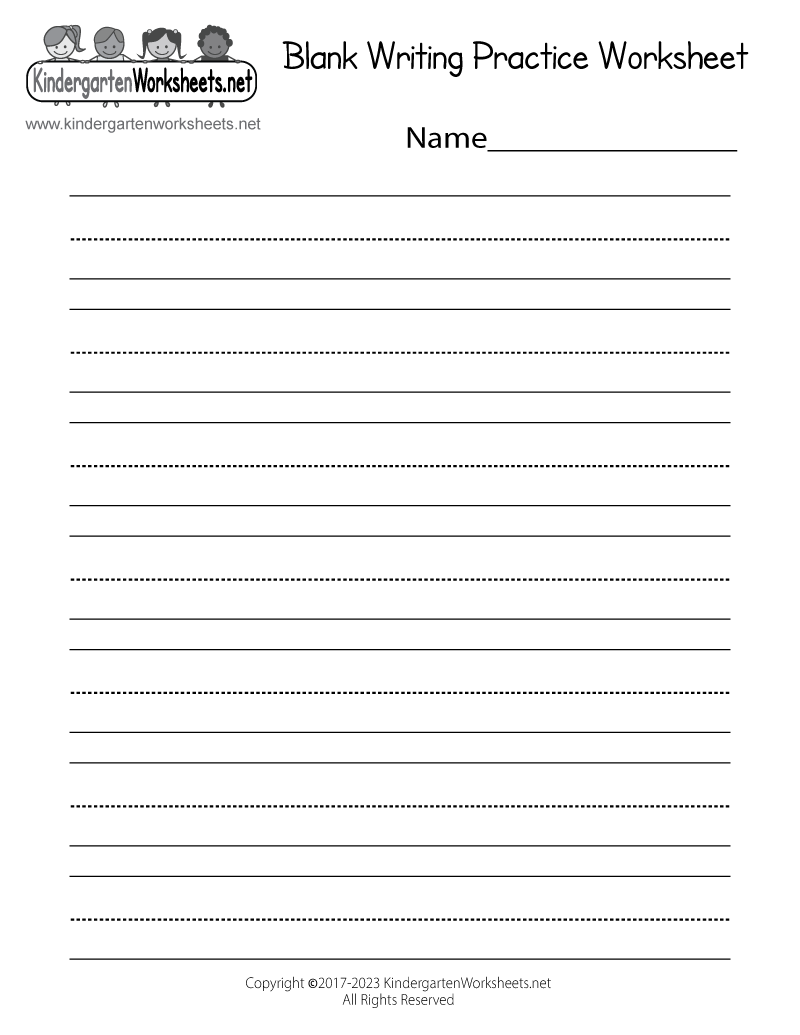
Kindergarten Learning To Write Worksheets are essential tools that help young learners develop their writing skills in a fun and engaging way. These worksheets provide structured activities that encourage children to practice letter formation, improve fine motor skills, and enhance their overall literacy. By integrating hands-on learning with creative exercises, these worksheets make the process of learning to write enjoyable for preschool and kindergarten students.
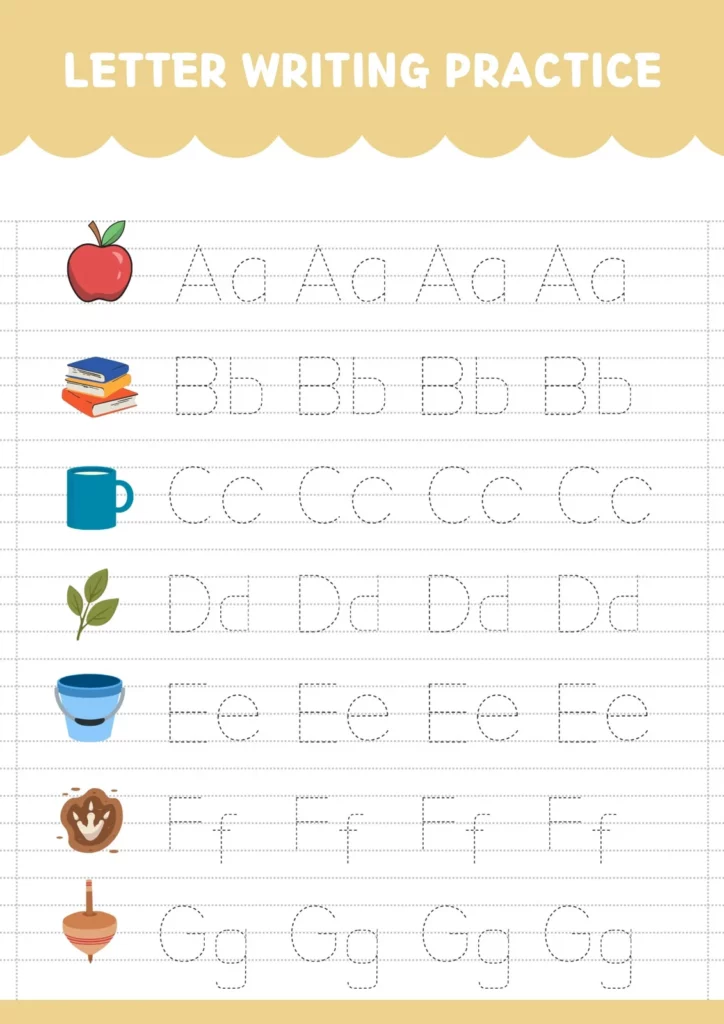
Kindergarten Learning To Write Worksheets
Benefits of Kindergarten Learning To Write Worksheets
Utilizing Kindergarten Learning To Write Worksheets offers numerous benefits for early learners. These worksheets not only focus on writing but also promote cognitive development through various activities. Here are some key advantages:
- Fine Motor Skill Development: Cutting, pasting, and tracing help strengthen hand muscles.
- Letter Recognition: Worksheets often include activities that reinforce the recognition of letters and their sounds.
- Creativity: Engaging themes allow children to express themselves while learning.
- Confidence Building: Completing worksheets boosts children’s confidence in their writing abilities.
Types of Writing Activities
Kindergarten Learning To Write Worksheets can include a variety of writing activities tailored to different skill levels. Here are some common types:
- Tracing Letters: Children trace over dotted lines to practice letter formation.
- Cut and Paste Activities: Kids cut out letters or words and paste them in the correct order.
- Fill-in-the-Blank Exercises: Worksheets that require children to fill in missing letters or words help reinforce vocabulary.
- Creative Writing Prompts: Simple prompts encourage children to write short sentences or stories.
Hands-On Learning Strategies
Incorporating hands-on learning strategies can enhance the effectiveness of Kindergarten Learning To Write Worksheets. Here are some practical approaches:
- Use of Manipulatives: Incorporate letter blocks or magnetic letters for tactile learning experiences.
- Interactive Games: Create games that involve matching letters with corresponding objects or pictures.
- Group Activities: Encourage collaborative writing projects where children can share ideas and learn from each other.
Adapting Worksheets for Different Skill Levels
Every child develops at their own pace, so it’s important to adapt Kindergarten Learning To Write Worksheets to meet varying skill levels. Here are some tips for differentiation:
- Simplified Tasks: For beginners, provide worksheets with larger letters and fewer lines to trace.
- Advanced Challenges: Offer more complex tasks, such as writing full sentences or short paragraphs for advanced learners.
- Visual Supports: Use images alongside text to help children understand the context better.
The Role of Parents in Writing Development
The involvement of parents is crucial in supporting children’s writing development at home. Here are some ways parents can assist:
- Create a Writing Space: Designate a quiet area with all necessary supplies like paper, pencils, and crayons.
- Encourage Daily Practice: Set aside time each day for children to work on their writing skills using worksheets or creative projects.
- Praise Efforts: Celebrate achievements, no matter how small, to motivate continued practice and improvement.
Printable Resources for Home and Classroom
A variety of printable resources are available online that cater specifically to Kindergarten Learning To Write Worksheets. These resources can be easily accessed and printed for use at home or in the classroom. For example, you can find themed worksheets that align with holidays or seasons, making learning more relevant and exciting for children. Explore our collection at CutPasteWorksheets.net.
Caring for Your Worksheets
To ensure longevity and usability of your Kindergarten Learning To Write Worksheets, consider the following tips:
- Select Appropriate Paper Thickness: Use sturdy paper that can withstand cutting and gluing without tearing easily.
- Create Clear Cutting Lines: Ensure cutting lines are easy to follow for young learners.
- Packing Small Pieces Safely: Organize cut-out pieces in labeled bags or containers to prevent loss.
The Importance of Playful Learning
The integration of playful learning into writing activities is essential for maintaining children’s interest and enthusiasm. By incorporating games, songs, and interactive storytelling into writing practice, educators can create a dynamic learning environment that fosters creativity while reinforcing essential skills. This approach not only enhances writing abilities but also nurtures a love for learning that will benefit children throughout their educational journey.
If you’re looking for more engaging activities that combine fun with education, check out our other resources on early literacy skills at CutPasteWorksheets.net.
The journey of learning to write is an exciting adventure for kindergarteners. With the right tools and strategies, children can develop their skills while enjoying the process. By utilizing Kindergarten Learning To Write Worksheets effectively, both educators and parents can play a pivotal role in shaping confident young writers ready for future challenges.
If you’re interested in exploring more about early childhood education resources, consider visiting reputable sites like the National Association for the Education of Young Children (NAEYC), which offers valuable insights into best practices in early education.
Download Kindergarten Learning To Write Worksheets
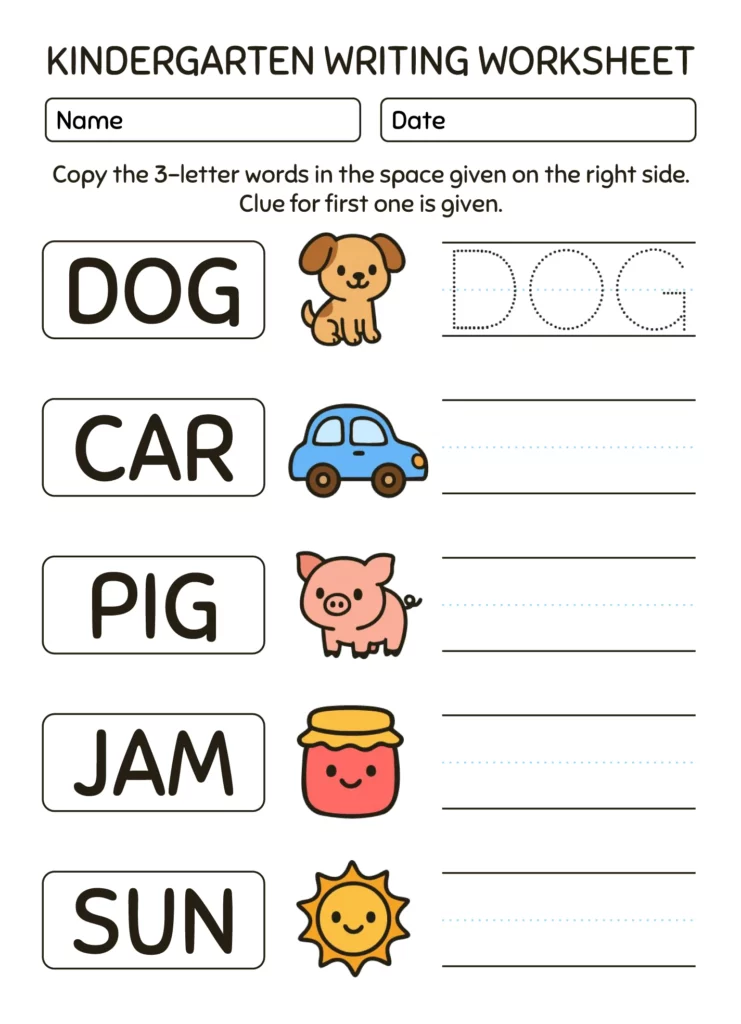
Kindergarten Writing Worksheet Free Google Docs Template
Blank Writing Practice Worksheet Printable