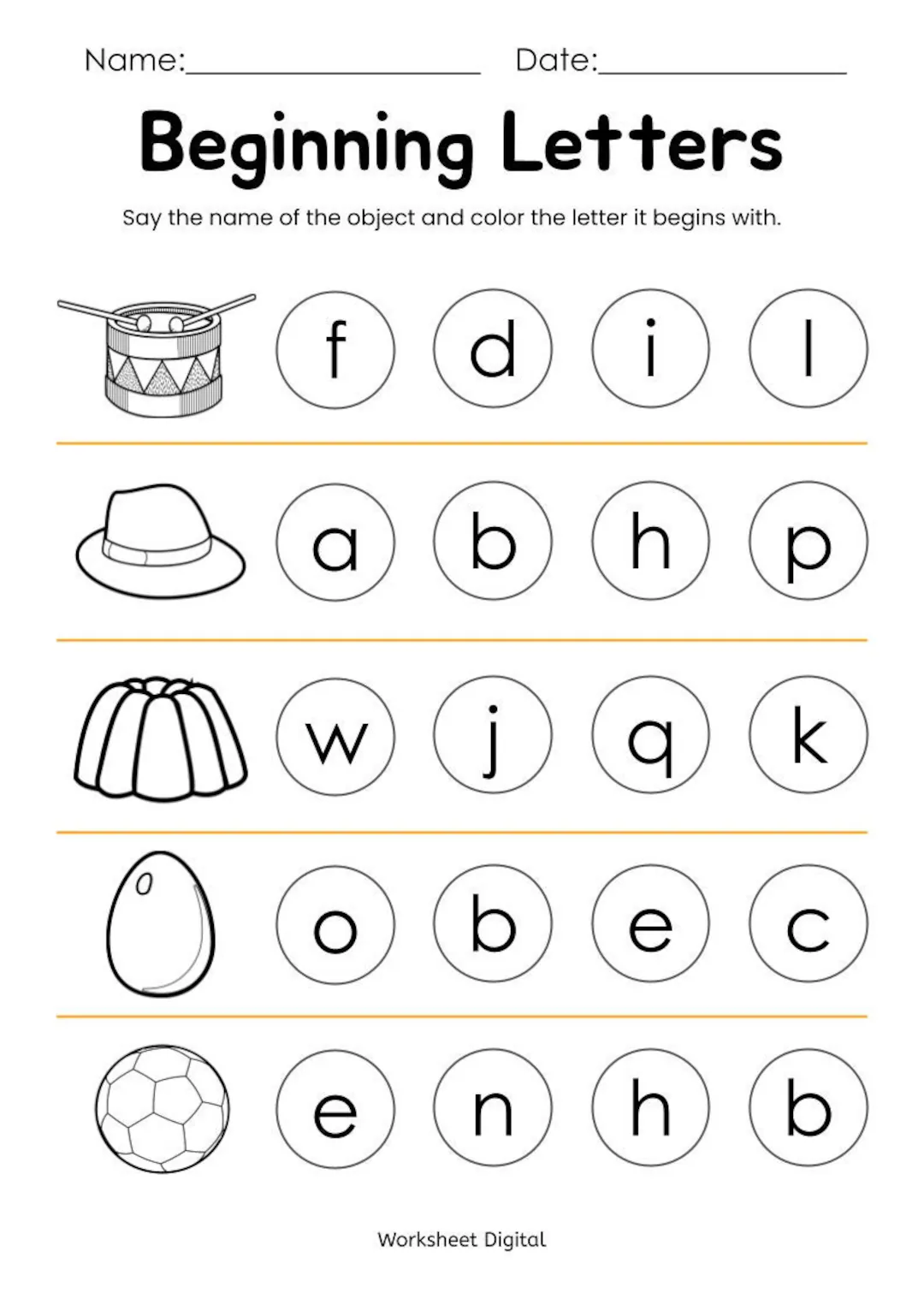
Letter sheets for kindergarten are essential tools that help young learners develop their early literacy skills. These worksheets provide engaging activities that promote letter recognition, phonemic awareness, and fine motor skills. By incorporating cut and paste elements, children can enjoy hands-on learning while mastering the alphabet. This article explores various types of letter sheets, their educational benefits, and practical applications for both classroom and home settings.
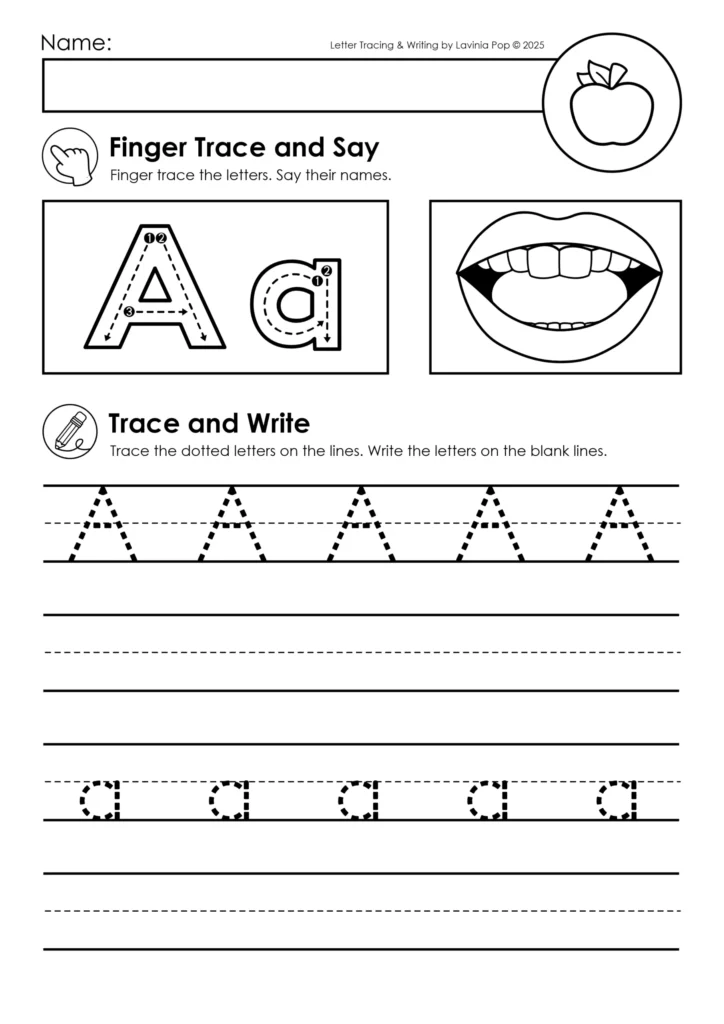
Letter Sheets For Kindergarten
Understanding Letter Sheets for Kindergarten
Letter sheets are printable worksheets designed specifically for kindergarten-aged children. They typically feature letters of the alphabet alongside corresponding images or activities that reinforce letter sounds and shapes. These worksheets can vary in complexity, making them suitable for different skill levels within the kindergarten age group.
Benefits of Using Letter Sheets
- Enhances Letter Recognition: Children learn to identify both uppercase and lowercase letters through visual and tactile engagement.
- Supports Phonemic Awareness: Associating letters with sounds helps children develop their reading skills.
- Improves Fine Motor Skills: Activities that involve cutting and pasting strengthen hand-eye coordination and dexterity.
- Encourages Creativity: Children can express themselves through art while learning about letters.
Types of Letter Sheets
There are several types of letter sheets available for kindergarteners, each focusing on different aspects of letter learning:
1. Cut and Paste Worksheets
These worksheets require children to cut out letters or images and paste them onto designated areas. For example, a worksheet might feature a large letter “A” with pictures of apple and ant that children can cut out and glue next to the letter. This activity not only reinforces letter recognition but also enhances fine motor skills.
2. Tracing Worksheets
Tracing worksheets allow children to practice writing letters by following dotted lines. This method helps improve handwriting skills while familiarizing them with the shape of each letter. Teachers can encourage students to say the sound of each letter as they trace it, reinforcing phonemic awareness.
3. Matching Activities
Matching worksheets present children with a set of letters and corresponding images. For instance, a worksheet may have a column of letters on one side and pictures on the other. Children must draw lines connecting the letters to the correct images, promoting both recognition and sound association.
Practical Applications in the Classroom
Incorporating letter sheets into classroom activities can enhance learning experiences. Here are some practical applications:
- Group Activities: Use letter sheets in small groups where children can collaborate on cut and paste projects, fostering teamwork.
- Circular Stations: Set up stations with different types of letter sheets, allowing children to rotate through activities at their own pace.
- Themed Learning: Integrate letter sheets into themed units (e.g., animals or seasons) to make learning more relevant and engaging.
Home Learning Strategies
Parents can also utilize letter sheets at home to support their child’s literacy development. Here are some strategies:
- Create a Learning Corner: Designate a space at home with various letter sheets, scissors, glue, and coloring materials to encourage independent exploration.
- Incorporate Everyday Items: Use household items (like magazines) for additional cut and paste activities where children find letters or words to match with their worksheets.
- Set Goals: Encourage children to complete a certain number of worksheets each week, rewarding them with stickers or small prizes for motivation.
Differentiating Activities for Various Skill Levels
Differentiation is key in meeting the diverse needs of kindergarten learners. Here are some ways to adjust activities based on skill levels:
- Beginners: Provide worksheets with larger letters and fewer distractions (like images) to help focus on basic recognition.
- Intermediate Learners: Introduce more complex cut and paste tasks that involve multiple steps or additional sounds associated with each letter.
- Advanced Learners: Challenge these students with creative tasks such as writing sentences using words that start with specific letters they’ve learned.
The Importance of Fine Motor Development
The act of cutting and pasting is crucial for developing fine motor skills in young children. As they manipulate scissors and glue sticks, they strengthen hand muscles necessary for writing. It’s important to provide child-safe scissors and supervise cutting activities to ensure safety while encouraging independence in their learning process.
Printing Tips for Letter Sheets
If you’re preparing letter sheets for use at home or in the classroom, consider these printing tips:
- Paper Type: Use US Letter paper (8.5 x 11 inches) for easy handling by young children.
- Color vs. Black-and-White: Color printing can be more engaging; however, black-and-white options are cost-effective for bulk printing.
- Cuts Lines: Ensure clear cutting lines are provided on the worksheets to guide children effectively during cutting activities.
Additions to Enhance Learning Experience
You can further enrich the learning experience by integrating technology or additional resources. For instance, consider using educational apps that reinforce letter recognition through games or interactive stories. Additionally, visiting local libraries or educational websites can provide further resources tailored to early literacy development.
The use of letter sheets for kindergarten is an effective way to foster early literacy skills through engaging hands-on activities. By incorporating various types of worksheets into both classroom settings and home learning environments, educators and parents alike can support children’s growth in a fun and interactive manner. For more resources on early childhood education activities, visit CutPasteWorksheets.net.
If you’re looking for additional printable resources related to early literacy practices, check out our collection of early literacy worksheets.
Download Letter Sheets For Kindergarten
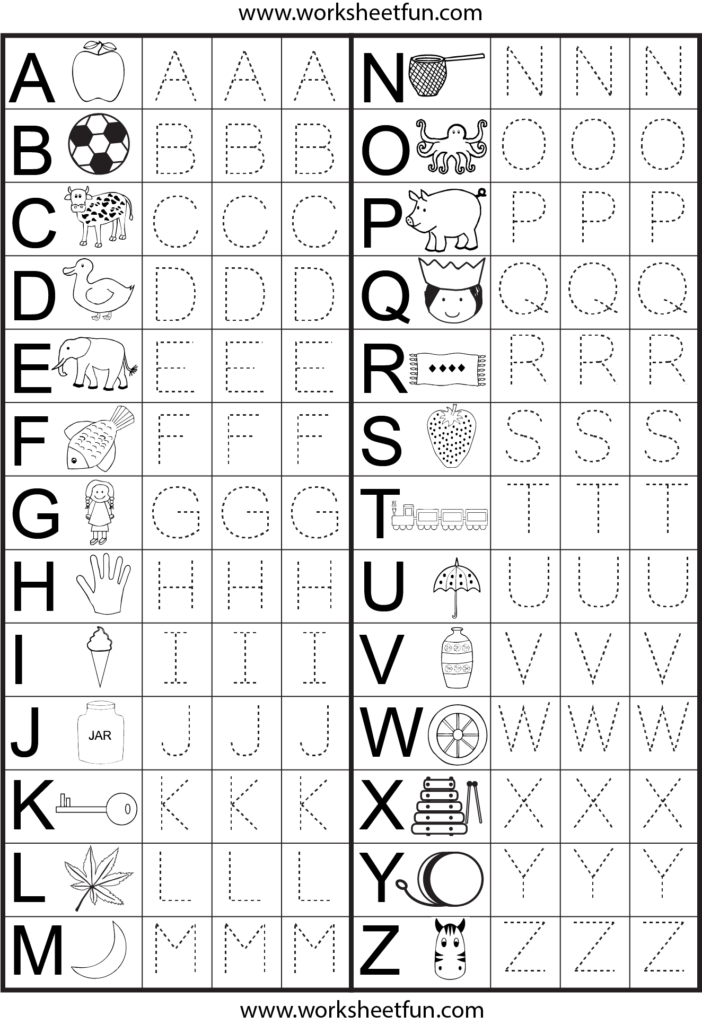
Letter Practice Sheets
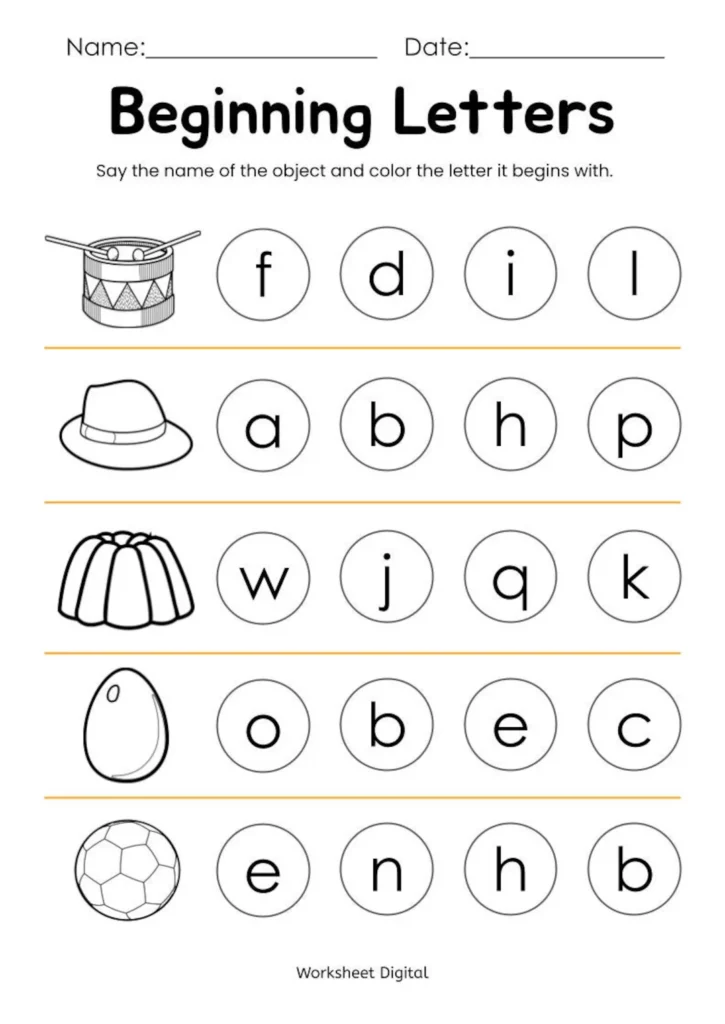
10 Printable Beginning Letters