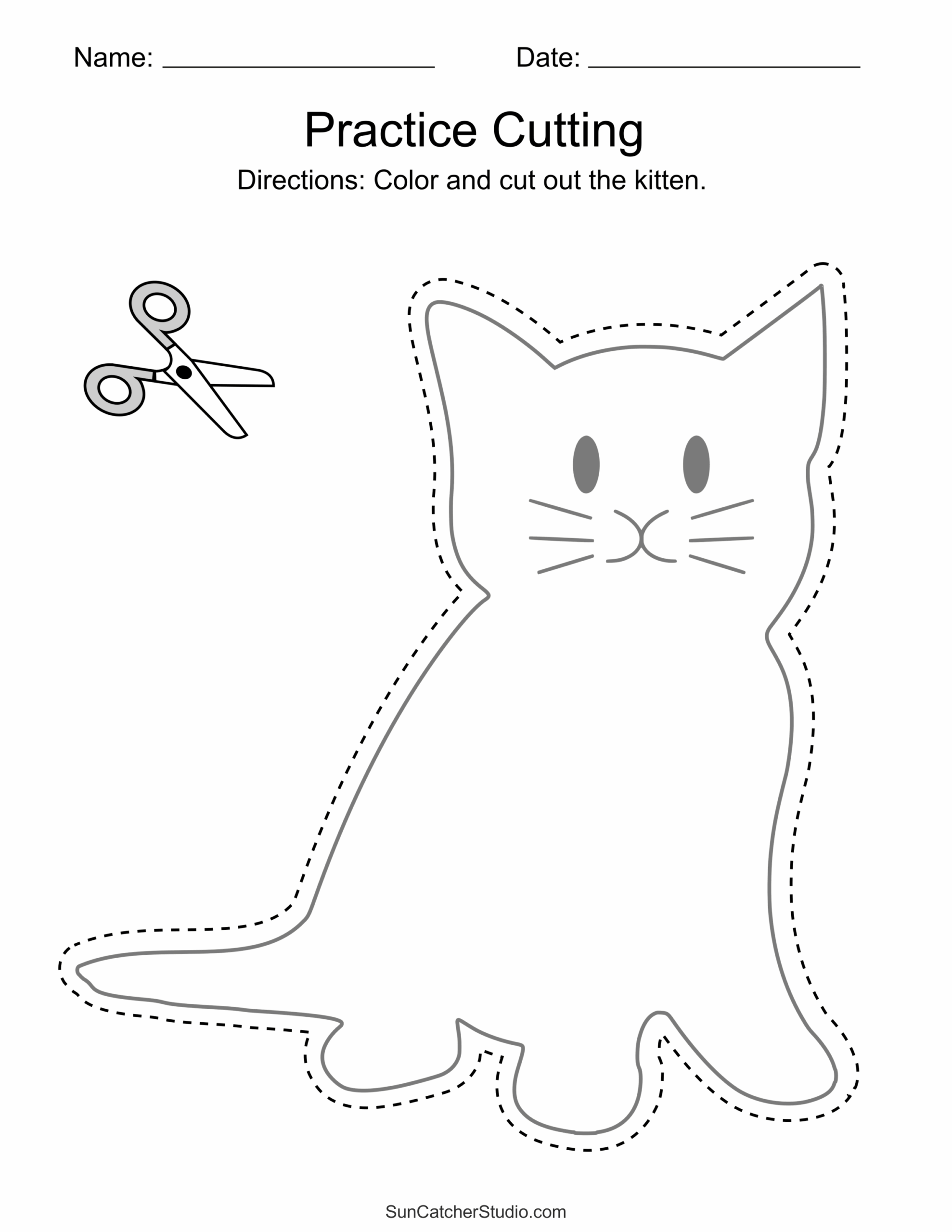
Cutting practice is an essential skill for preschoolers, helping them develop fine motor skills and hand-eye coordination. Engaging in cutting activities not only enhances their dexterity but also prepares them for more complex tasks in the future. This article will explore various cutting practice worksheets available in PDF format, specifically designed for preschoolers. These worksheets provide fun and educational opportunities for young learners to practice their cutting skills while enjoying hands-on learning experiences.
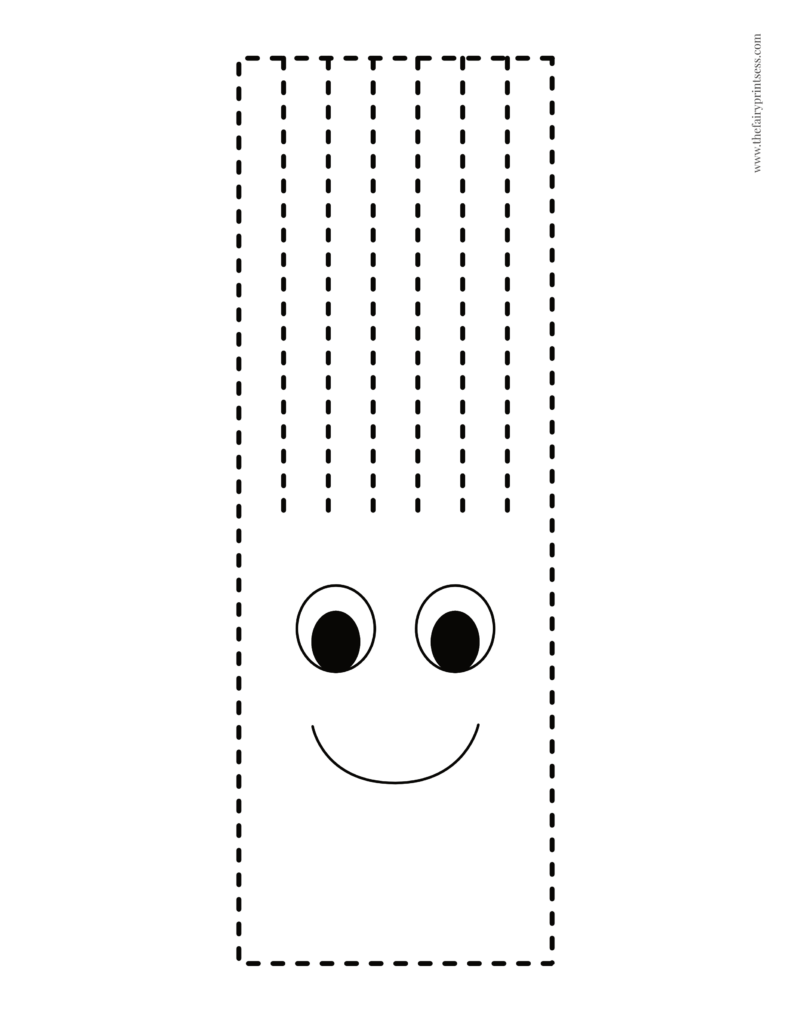
Cutting Practice For Preschoolers Pdf
Benefits of Cutting Practice for Preschoolers
Cutting practice offers numerous benefits for preschool-aged children. Here are some key advantages:
- Fine Motor Development: Using scissors helps strengthen the small muscles in children’s hands, improving their grip and control.
- Hand-Eye Coordination: Cutting along lines requires children to coordinate their hand movements with what they see, enhancing visual-motor skills.
- Focus and Concentration: Engaging in cutting activities encourages children to concentrate on the task at hand, fostering attention span.
- Creativity: Cutting practice can be combined with arts and crafts, allowing children to express their creativity through various projects.
Choosing the Right Scissors
Selecting appropriate scissors is crucial for ensuring a safe and effective cutting experience. Here are some tips for choosing scissors for preschoolers:
- Child-Safe Scissors: Look for scissors specifically designed for young children, featuring rounded tips and safety features.
- Size Matters: Ensure the scissors fit comfortably in your child’s hand, allowing them to grip easily.
- Supervision Required: Always supervise children while they use scissors to ensure safety and proper technique.
Printable Cutting Practice Worksheets
Printable worksheets are an excellent resource for practicing cutting skills at home or in the classroom. Here are some engaging worksheet ideas:
1. Straight Lines and Curves
Start with simple worksheets that feature straight lines and gentle curves. These help children gain confidence as they learn to control the scissors. Look for PDFs that include various line types to keep the practice interesting.
2. Shapes and Figures
Worksheets that incorporate basic shapes like circles, squares, and triangles can make cutting practice more engaging. Children can cut out these shapes and use them for creative projects or sorting activities.
3. Themed Worksheets
Themed worksheets related to seasons or holidays can add excitement to cutting practice. For example, worksheets featuring snowflakes during winter or leaves during autumn can make learning more relevant and fun.
Hands-On Activities Incorporating Cutting Practice
In addition to worksheets, there are many hands-on activities that can reinforce cutting skills:
1. Collage Making
Create a collage by providing children with various materials such as magazines, colored paper, or fabric scraps. Encourage them to cut out images or shapes and glue them onto a larger sheet of paper.
2. DIY Greeting Cards
Have children design their own greeting cards by cutting out decorative elements from colored paper. This activity not only practices cutting but also promotes creativity as they personalize their cards.
3. Nature Scavenger Hunt
Take a nature walk and collect leaves or flowers. Back at home or in the classroom, have children cut around the edges of their finds to create nature-themed art projects.
Differentiating Cutting Activities
Recognizing that children develop skills at different rates is essential when planning cutting activities. Here are some strategies to differentiate tasks:
- Simplified Tasks: For beginners, provide worksheets with larger lines or shapes that are easier to cut.
- Pacing Options: Allow children to work at their own pace, offering assistance as needed without rushing them.
- Pre-Cut Pieces: For those struggling with cutting, consider providing pre-cut pieces that they can decorate or assemble instead.
Preparing for Cutting Practice
A successful cutting session requires some preparation. Here are practical tips to ensure a smooth experience:
- Papers and Materials: Use US Letter-sized paper for printing worksheets. Choose thicker paper for durability during cutting activities.
- Cutting Lines: Ensure that all worksheets have clear cutting lines to guide children effectively.
- Cleansing Supplies: Have washable glue sticks available for any gluing activities following cutting tasks.
The Role of Parents and Educators
The involvement of parents and educators is vital in supporting children’s development of cutting skills. Here are ways they can help:
- Create a Safe Environment: Set up a designated area with appropriate materials where children can practice safely.
- Encourage Exploration: Allow children to experiment with different materials and techniques during cutting activities.
- Praise Efforts: Celebrate children’s successes, no matter how small, to boost their confidence and motivation.
If you’re looking for more resources on printable cut and paste activities, check out our collection of worksheets at CutPasteWorksheets.net. These resources will provide additional opportunities for your preschoolers to enhance their fine motor skills through engaging activities.
The journey of mastering cutting skills is both fun and educational for preschoolers. By incorporating various worksheets and hands-on activities into their learning routine, you can help them develop essential skills while enjoying the process of learning through play.
Explore more preschool worksheets here!
Learn more about early childhood development from NAEYC.
Download Cutting Practice For Preschoolers Pdf
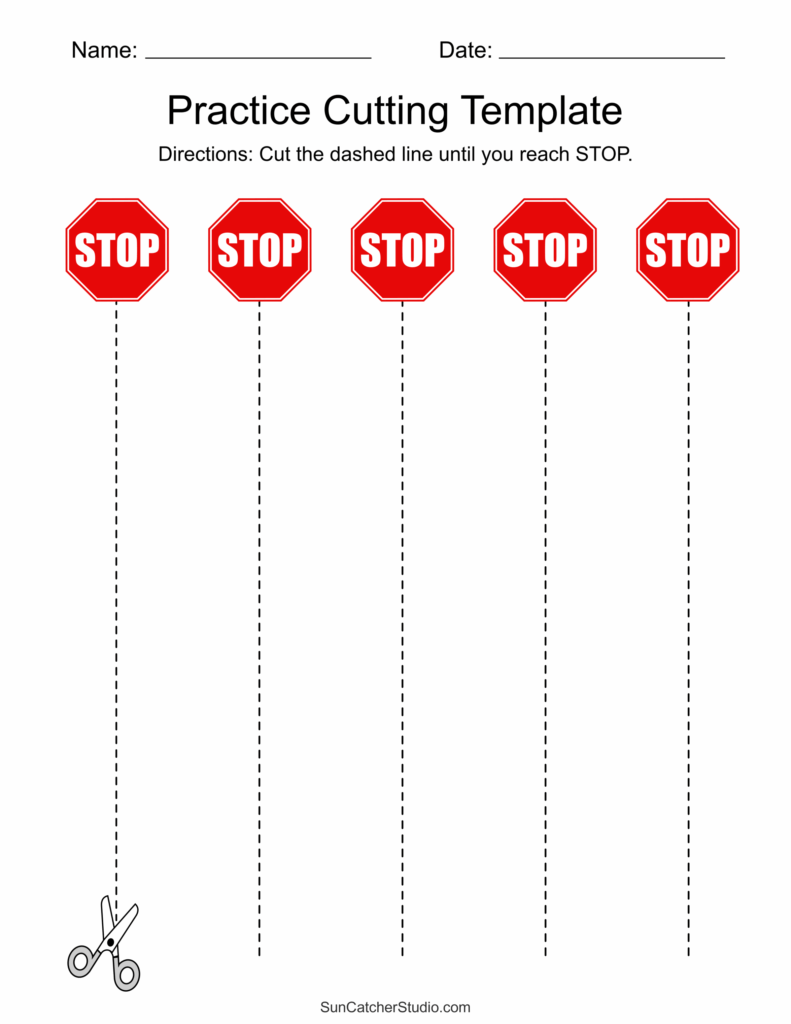
Cutting Worksheets
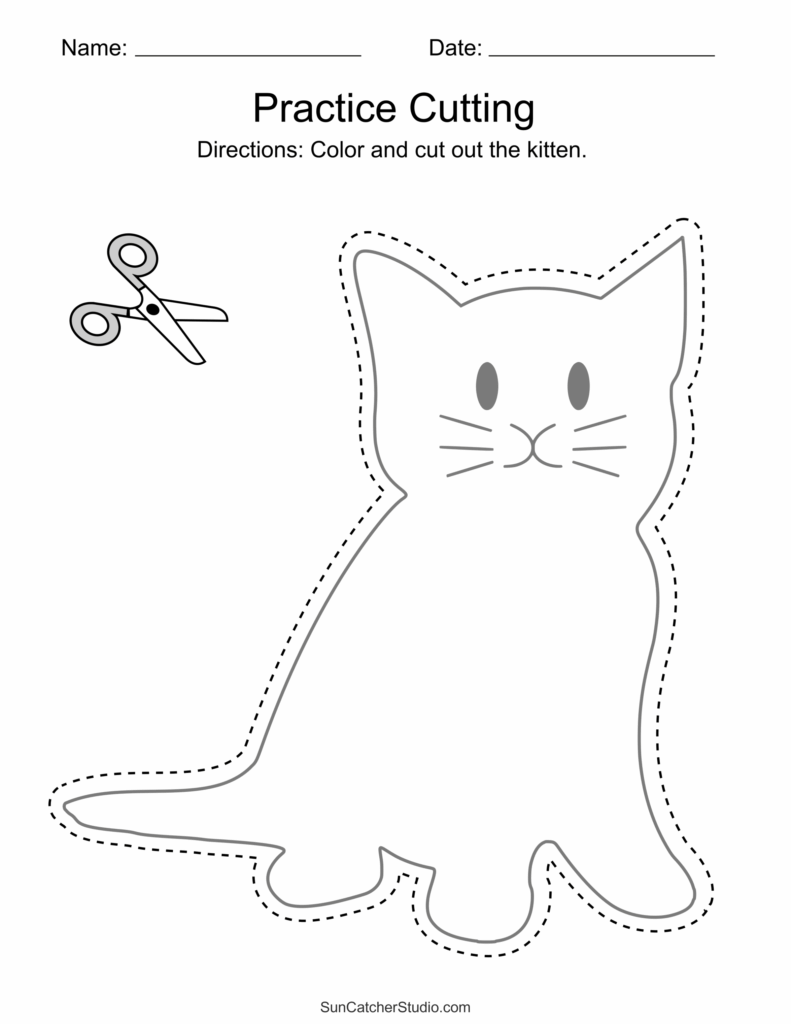
Cutting Worksheets