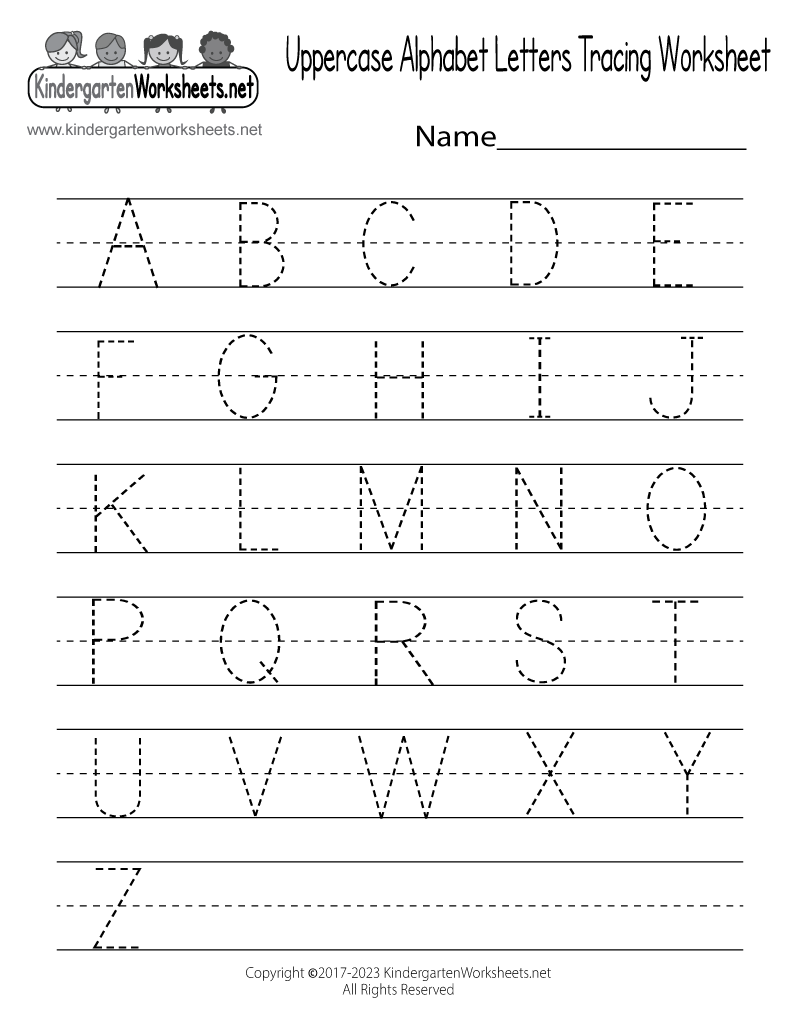
Engaging young learners in writing letters is a crucial step in their literacy journey. Kindergarten worksheets focused on writing letters not only enhance fine motor skills but also foster early literacy development. These worksheets provide a hands-on approach to learning, making the process enjoyable and effective for preschool and kindergarten children. In this article, we will explore various types of kindergarten worksheets that promote writing letters, along with practical activities and tips for parents and educators.
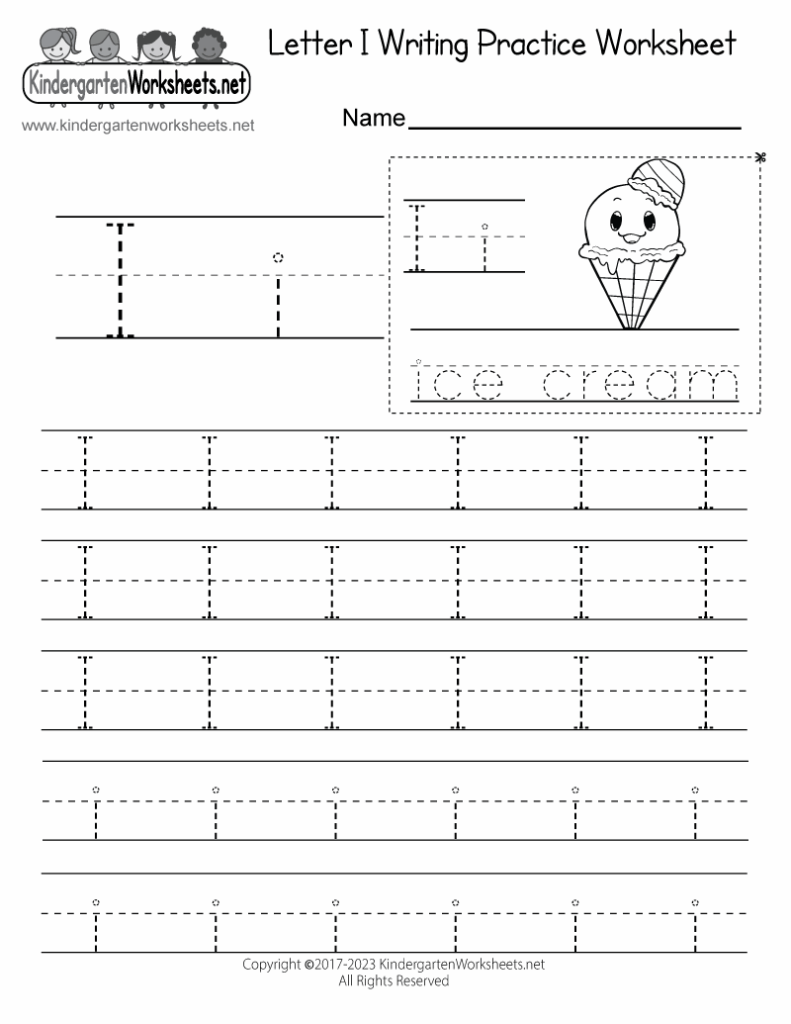
Kindergarten Worksheets Writing Letters
Benefits of Writing Letters in Kindergarten
Writing letters is an essential skill that lays the foundation for effective communication. Here are some key benefits of incorporating letter writing into kindergarten activities:
- Fine Motor Skill Development: Writing letters helps children strengthen their hand muscles, improving their grip and control.
- Letter Recognition: Worksheets that focus on writing letters enhance children’s ability to recognize and differentiate between letters.
- Cognitive Skills: Engaging in letter writing activities encourages critical thinking and problem-solving as children learn to form letters correctly.
- Creativity: Writing letters allows children to express themselves creatively, whether through drawing or crafting stories.
Types of Kindergarten Worksheets for Writing Letters
There are various types of worksheets designed to help kindergarteners practice writing letters. Each type serves a unique purpose in developing writing skills:
1. Tracing Worksheets
Tracing worksheets are excellent for beginners. They typically feature dotted lines that guide children in forming each letter correctly. This method reinforces muscle memory and letter shapes.
2. Cut and Paste Activities
Cut and paste activities combine fine motor skills with letter recognition. Children can cut out letters from one worksheet and paste them onto another, reinforcing their understanding of letter formation while having fun.
3. Coloring Worksheets
Coloring worksheets that incorporate letters allow children to engage with the alphabet creatively. As they color, they can also practice saying the letter names and sounds, reinforcing phonemic awareness.
4. Letter Matching Worksheets
These worksheets require children to match uppercase letters with their lowercase counterparts. This activity enhances their understanding of letter pairs and improves recognition skills.
Hands-On Activities to Complement Worksheets
In addition to using worksheets, incorporating hands-on activities can further enhance letter writing skills:
1. Sand or Salt Trays
Create a sensory experience by filling a shallow tray with sand or salt. Children can use their fingers to write letters in the sand, providing tactile feedback that reinforces learning.
2. Letter Formation with Playdough
Using playdough to form letters is a fun way for children to practice writing. They can roll out the dough into letter shapes, which helps develop fine motor skills while making learning enjoyable.
3. Alphabet Crafts
Create crafts that focus on specific letters. For example, making an “A” out of apple cutouts or a “B” using buttons encourages creativity while reinforcing letter recognition.
Adjusting Difficulty Levels for Different Learners
Recognizing that children develop at different rates is essential when introducing writing activities:
- Beginners: Start with tracing worksheets and simple cut-and-paste activities that focus on individual letters.
- Intermediate Learners: Introduce more complex tasks such as forming words or sentences using cut-out letters.
- Advanced Learners: Encourage creative writing by having them write short stories or sentences using the letters they have learned.
Practical Tips for Parents and Educators
Here are some practical tips to enhance the effectiveness of kindergarten worksheets focused on writing letters:
- Create a Routine: Establish a regular time for letter writing practice to build consistency and reinforce learning.
- Use Child-Safe Materials: Ensure that scissors and glue sticks are safe for young learners, and supervise cutting activities closely.
- Praise Efforts: Celebrate achievements, no matter how small, to encourage continued effort and interest in learning.
- Diverse Learning Environments: Incorporate letter writing into various settings—home, classroom, or outdoor environments—to keep learning dynamic.
The Role of Technology in Learning Letters
In today’s digital age, technology can also play a role in teaching letter writing. Educational apps designed for early learners often include interactive games that reinforce letter recognition and formation through engaging visuals and sounds.
Conclusion: Fostering a Love for Writing Letters
The journey of learning to write letters is an exciting adventure for kindergarteners. By utilizing diverse worksheets and hands-on activities, parents and educators can create an engaging environment that fosters a love for writing. For more resources on early literacy development, visit CutPasteWorksheets.net.
If you’re looking for more engaging activities related to early literacy, check out our collection of writing worksheets.
This article aims to provide valuable insights into effective strategies for teaching kindergarteners how to write letters while ensuring that learning remains fun and interactive.
Download Kindergarten Worksheets Writing Letters
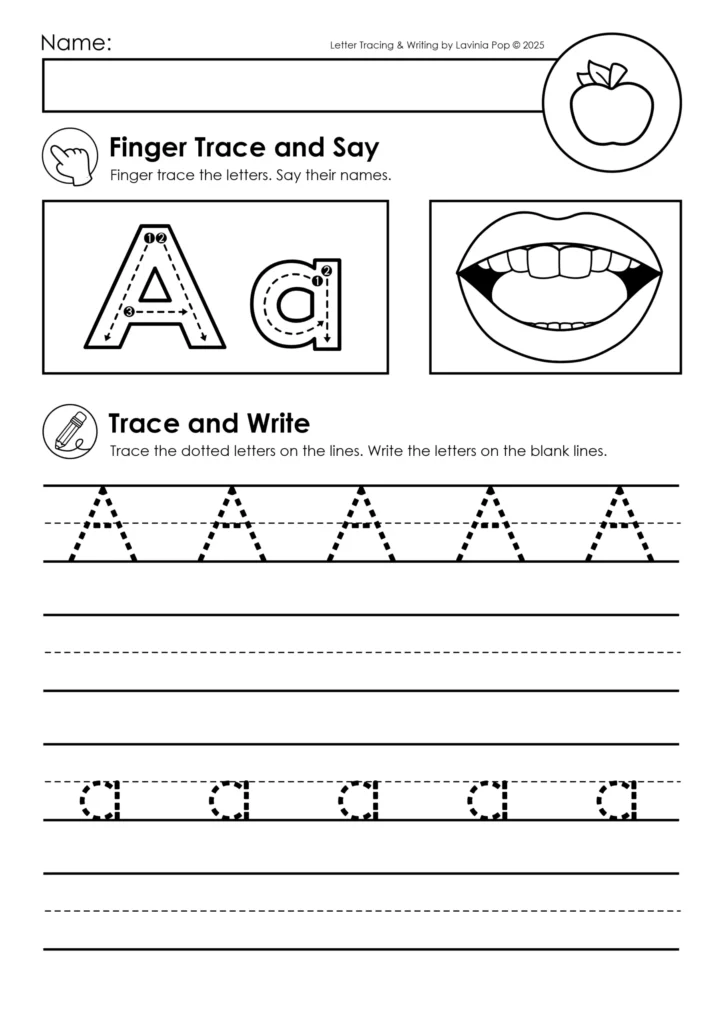
Alphabet Handwriting Worksheets For Kindergarten
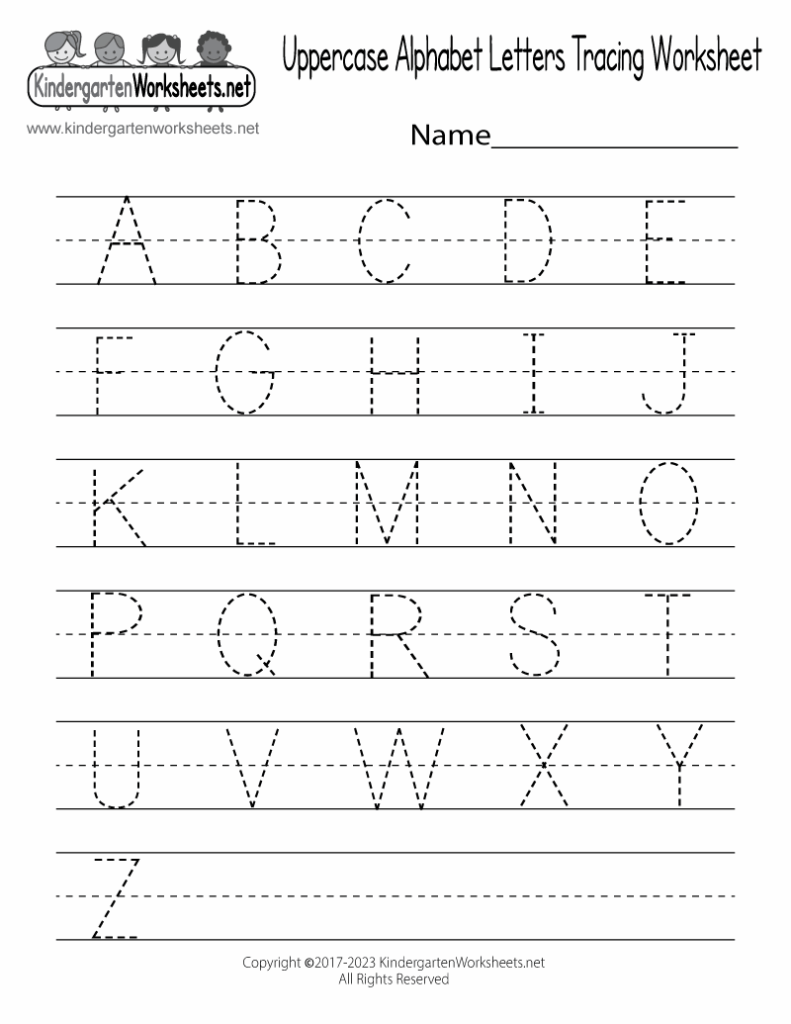
Handwriting Practice Worksheet Printable