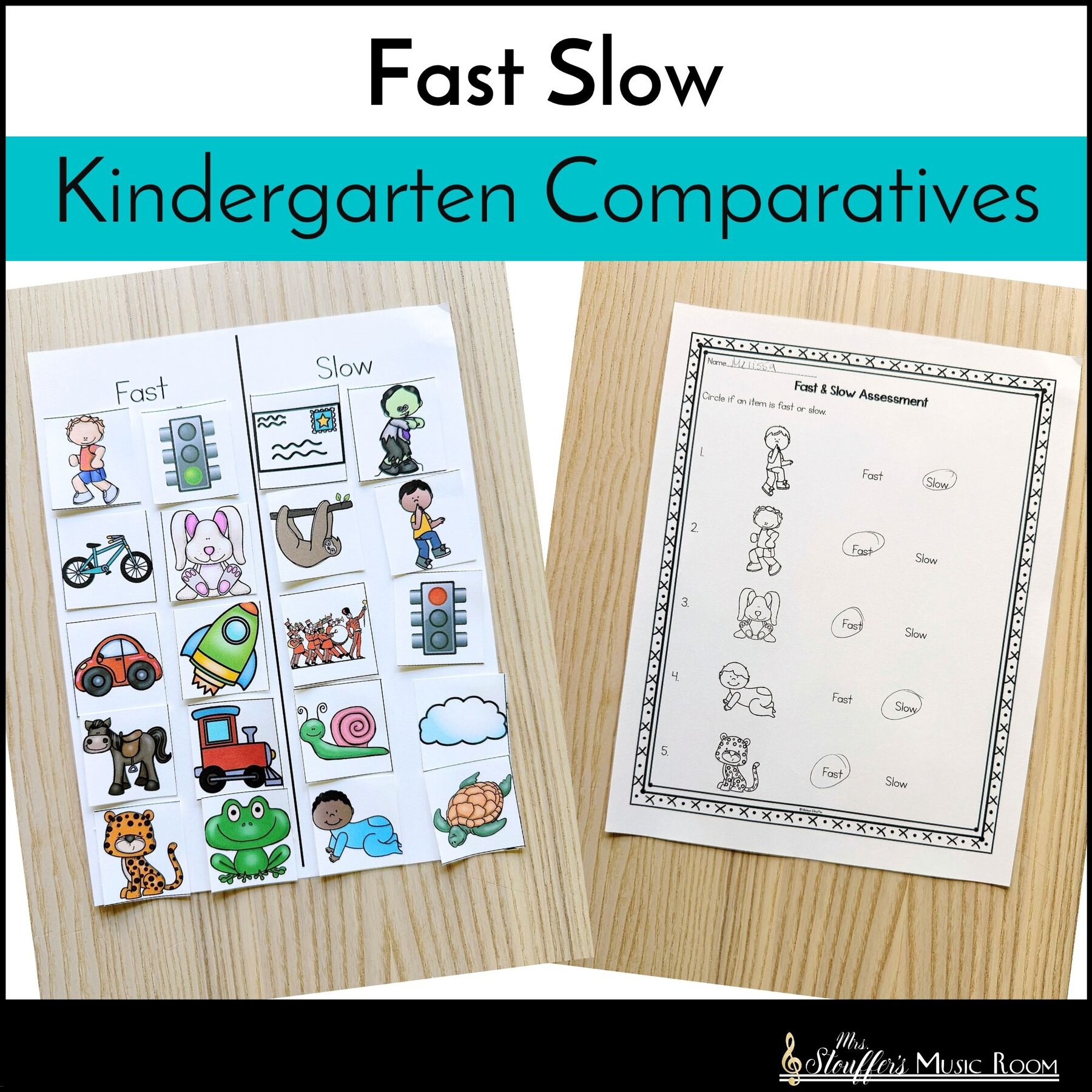
Introducing Fast Slow Worksheets for Preschool provides an engaging way for young learners to explore concepts of speed and movement. These worksheets not only enhance cognitive understanding but also promote fine motor skills through hands-on activities. By incorporating cut and paste elements, children can actively participate in their learning, making it both fun and educational. This article will delve into various activities, teaching strategies, and practical applications of fast and slow concepts in preschool education.
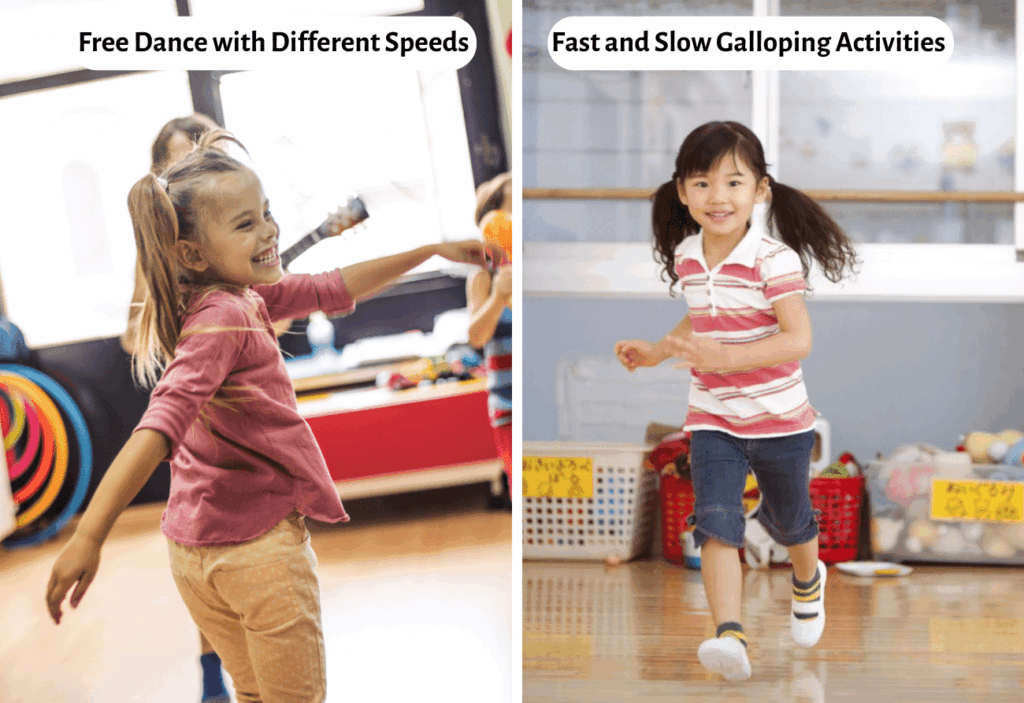
Fast Slow Worksheets For Preschool
Understanding Fast and Slow Concepts
Teaching preschoolers about fast and slow is essential for their cognitive development. These concepts help children understand the world around them, from the speed of animals to the pace of everyday activities. Fast slow worksheets can serve as a visual aid, allowing children to categorize and differentiate between various speeds.
Benefits of Fast Slow Worksheets
- Fine Motor Skill Development: Cutting and pasting activities enhance hand-eye coordination.
- Cognitive Skills: Worksheets encourage critical thinking as children decide which images represent fast or slow.
- Language Development: Discussing the differences between fast and slow helps expand vocabulary.
- Engagement: Hands-on activities keep children interested and motivated to learn.
Printable Fast Slow Worksheets
Printable worksheets are a fantastic resource for educators and parents alike. They can be easily downloaded and printed on US Letter paper. When preparing these worksheets, consider using color printing to make them visually appealing. Clear cutting lines will assist young learners in their scissor practice, ensuring safety and ease during activities.
Worksheet Ideas
- Animal Speed Match: Children can cut out pictures of various animals and sort them into fast or slow categories.
- Vehicle Speed Comparison: Create a worksheet with different vehicles where kids can paste them under ‘Fast’ or ‘Slow’ headings.
- Movement Activities: Include illustrations of children running or walking, allowing kids to cut and paste based on the speed depicted.
Hands-On Activities for Learning Fast and Slow
Incorporating hands-on activities alongside worksheets enhances learning experiences. Here are some engaging ideas:
Speed Races
Create a simple racecourse using tape on the floor. Have children race toy cars or even themselves, emphasizing the difference between fast and slow movements. After the activity, discuss which items were faster and why.
Sorting Games
Provide a collection of images or toys representing various speeds. Children can sort these items into two groups: fast and slow. This activity reinforces their understanding while developing sorting skills.
Differentiated Learning Approaches
Recognizing that children develop at different rates is crucial in early education. For those who may struggle with cutting, consider providing pre-cut images or simpler activities that focus on matching rather than cutting. This ensures all children can participate meaningfully without frustration.
The Role of Adults in Learning
Adult supervision is vital during cutting activities to ensure safety. Encourage parents to engage with their children by discussing the concepts of fast and slow while completing worksheets together. This interaction not only aids learning but also strengthens parent-child bonds.
Practical Applications at Home
Fast slow worksheets can easily be integrated into home learning environments. Parents can create simple games using household items to illustrate speed differences. For example, using a timer, they can measure how long it takes to walk versus run from one room to another, reinforcing the lesson in a practical way.
Reusing Worksheets
If you want to reuse worksheets, consider laminating them so that they can be used with dry-erase markers. This allows for repeated practice without wasting paper while keeping the activity fresh each time.
Conclusion
The integration of fast slow worksheets into preschool education offers numerous benefits that extend beyond simple recognition of speed differences. Through engaging activities that promote fine motor skills, cognitive development, and language growth, children gain a well-rounded understanding of these essential concepts. For more resources on early childhood education, visit CutPasteWorksheets.net.
If you’re looking for additional educational materials that support early literacy and math skills, check out our collection of printable worksheets designed specifically for preschoolers!
Download Fast Slow Worksheets For Preschool
Cvc Words Reading Worksheets
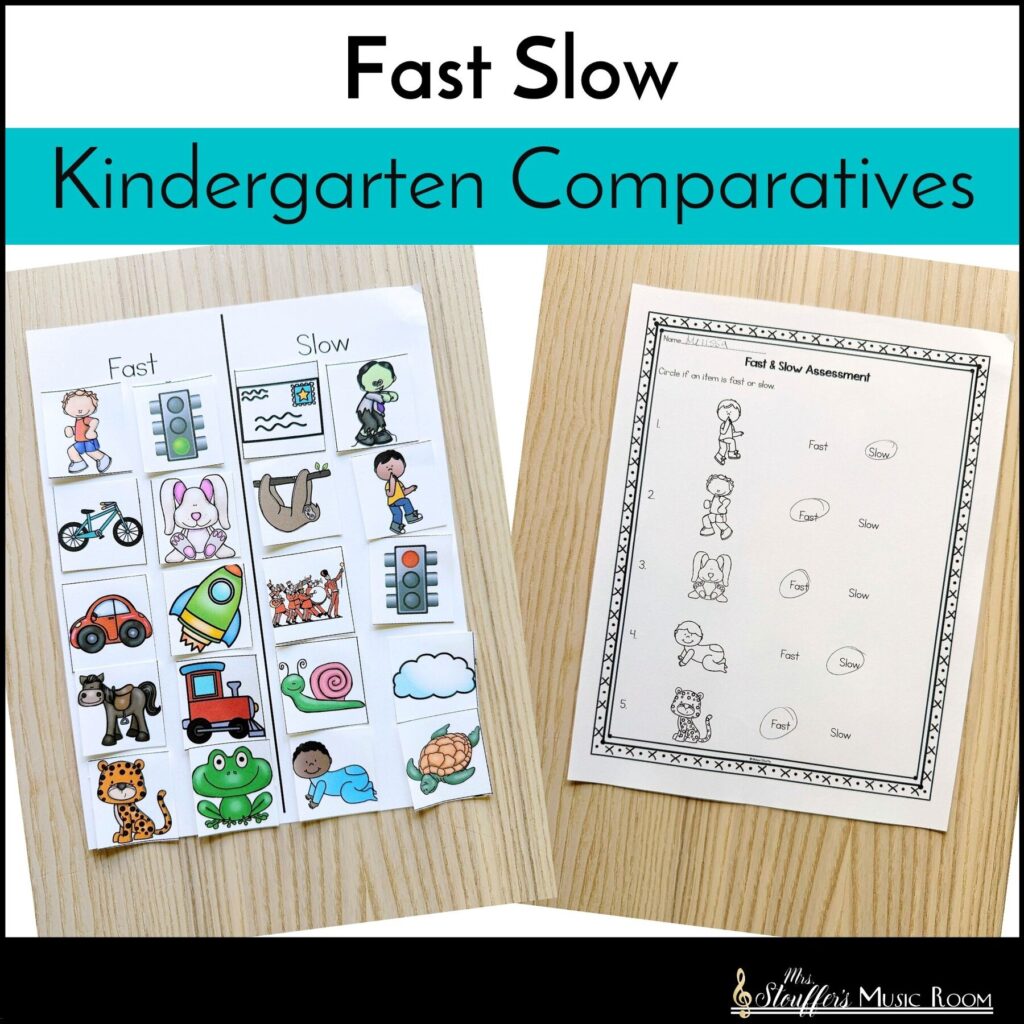
Fast Slow Sorting Worksheet Center For Practice Or Assessment