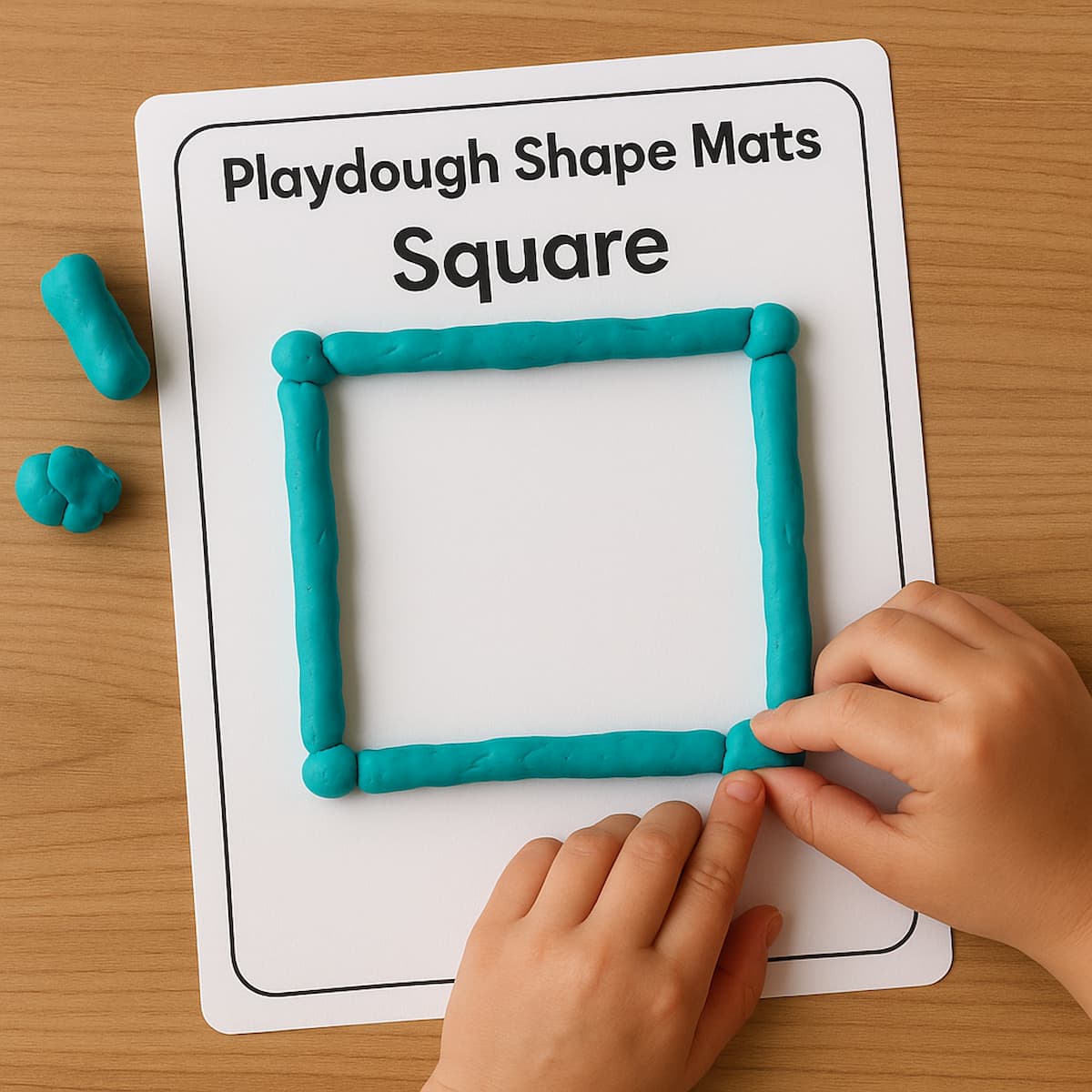
Engaging young learners in hands-on shape activities is essential for developing their spatial awareness and fine motor skills. Kindergarten is a pivotal time for children to explore shapes through interactive play and creative projects. This article will delve into various hands-on shape activities for kindergarten that promote learning while keeping children entertained. From cut and paste worksheets to interactive games, these activities will help children recognize, sort, and create shapes in a fun and engaging way.
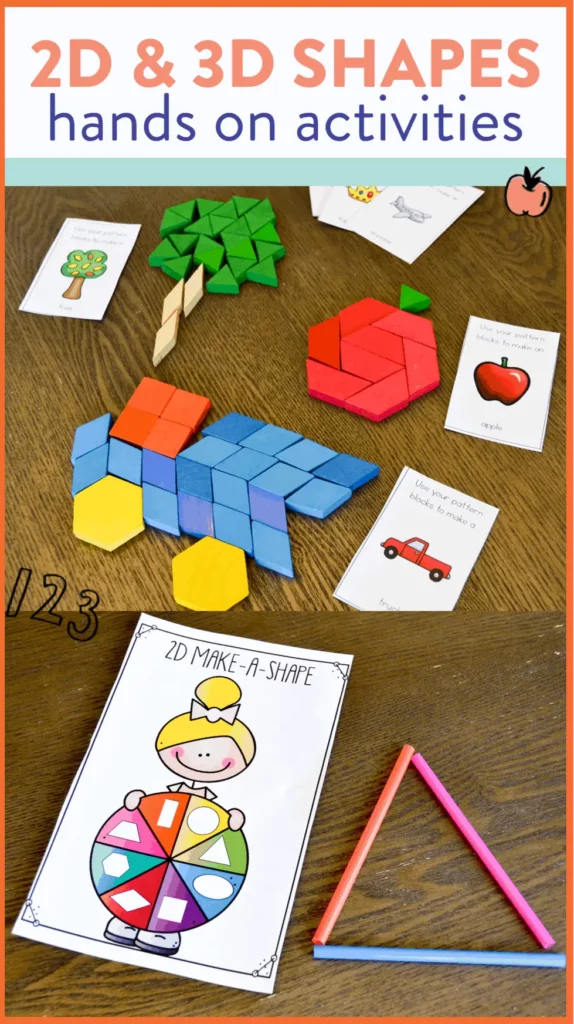
Hands On Shape Activities For Kindergarten
Understanding Shapes Through Play
Shapes are fundamental building blocks of early mathematics education. By incorporating hands-on activities, children can better understand the properties of different shapes. Activities that involve cutting, pasting, and manipulating shapes not only enhance cognitive skills but also improve fine motor development. For instance, using scissors to cut out shapes helps strengthen hand muscles, which is crucial for writing later on.
Creative Cut and Paste Shape Worksheets
Printable cut and paste worksheets are an excellent resource for hands-on shape activities. These worksheets allow children to practice their cutting skills while learning about various shapes. Here are some ideas for creating effective shape worksheets:
- Shape Sorting: Create a worksheet with different shapes scattered across the page. Ask children to cut out the shapes and sort them into groups based on color or type.
- Shape Collage: Provide a worksheet with outlines of various shapes. Children can cut out colorful paper shapes and paste them inside the outlines to create a vibrant collage.
- Shape Matching: Design a worksheet where children match cut-out shapes to their corresponding outlines or images. This reinforces recognition and understanding of each shape.
Interactive Shape Games
Incorporating games into learning can make shape recognition more enjoyable. Here are some interactive games that can be played in the classroom or at home:
- Shape Scavenger Hunt: Organize a scavenger hunt where children search for objects around the room or yard that match specific shapes. This activity encourages exploration and real-world application of shape knowledge.
- Shape Bingo: Create bingo cards featuring different shapes. As you call out the names of the shapes, children can mark them on their cards. This game promotes listening skills while reinforcing shape identification.
- Shape Relay Race: Set up a relay race where children must run to a designated area, pick up a shape, and return it to their team. This activity combines physical movement with learning about shapes.
Hands-On Shape Crafts
Crafts are another fantastic way to engage kindergarteners in hands-on shape activities. Here are some craft ideas that incorporate shapes:
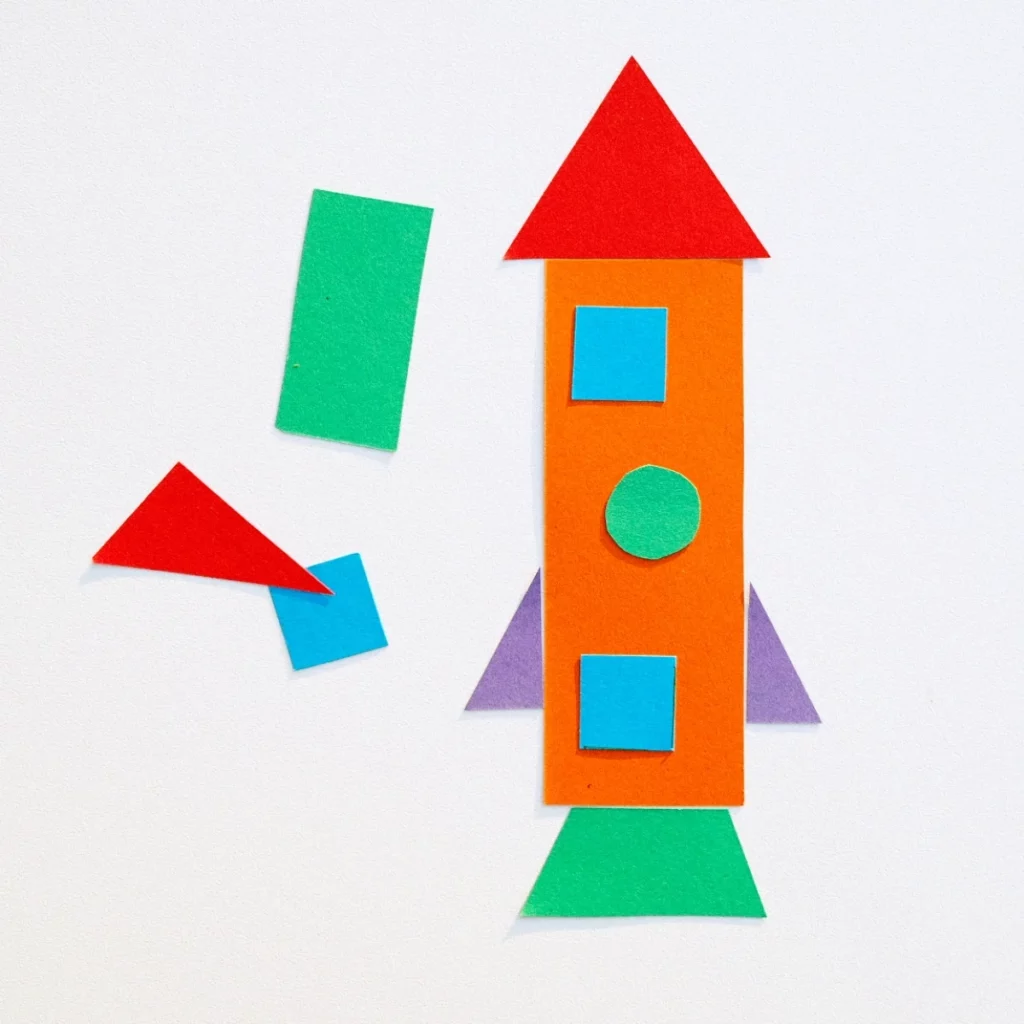
- Shape Animals: Encourage children to create animals using various shapes. For example, they can use circles for heads, triangles for ears, and rectangles for bodies. This activity fosters creativity while reinforcing shape recognition.
- Shape Mobiles: Have children create a mobile by cutting out different shapes from colored paper. They can then string the shapes together using yarn or string to hang in their room.
- Shape Masks: Provide templates for masks made from different shapes. Children can decorate their masks with colors and patterns before wearing them during playtime.
Differentiating Activities for Diverse Learners
Every child develops at their own pace, so it’s important to differentiate activities based on skill levels. Here are some strategies to accommodate diverse learners:
- Simplified Tasks: For younger or less experienced learners, provide pre-cut shapes that they can glue onto a background instead of cutting them out themselves.
- Visual Aids: Use visual aids such as charts or flashcards showing different shapes to support learners who may need additional help recognizing them.
- Pacing Activities: Allow more time for certain tasks if needed, ensuring that all students feel comfortable completing the activities without pressure.
The Importance of Adult Supervision
When engaging in hands-on shape activities that involve cutting and gluing, adult supervision is crucial. Ensure that children use child-safe scissors and washable glue sticks to promote safety during these activities. Additionally, adults can assist by pre-cutting complex shapes or providing guidance on how to use scissors properly.
Practical Applications at Home
Parents can reinforce what children learn in school by incorporating hands-on shape activities at home. Simple materials like paper, scissors, and glue can be used to create engaging projects together. For example, parents can set up a crafting station where children can freely explore creating shapes from everyday items like cardboard boxes or old magazines.
Conclusion: Fostering Shape Recognition Through Hands-On Learning
The integration of hands-on shape activities in kindergarten not only enhances children’s understanding of geometry but also supports their overall development through play-based learning. By utilizing creative worksheets, interactive games, and engaging crafts, educators and parents alike can foster a love for learning about shapes in young learners.
Explore more engaging worksheets on our website!
Learn more about the importance of play in early childhood education from NAEYC.
Download Hands On Shape Activities For Kindergarten
Shape Activities For Preschoolers
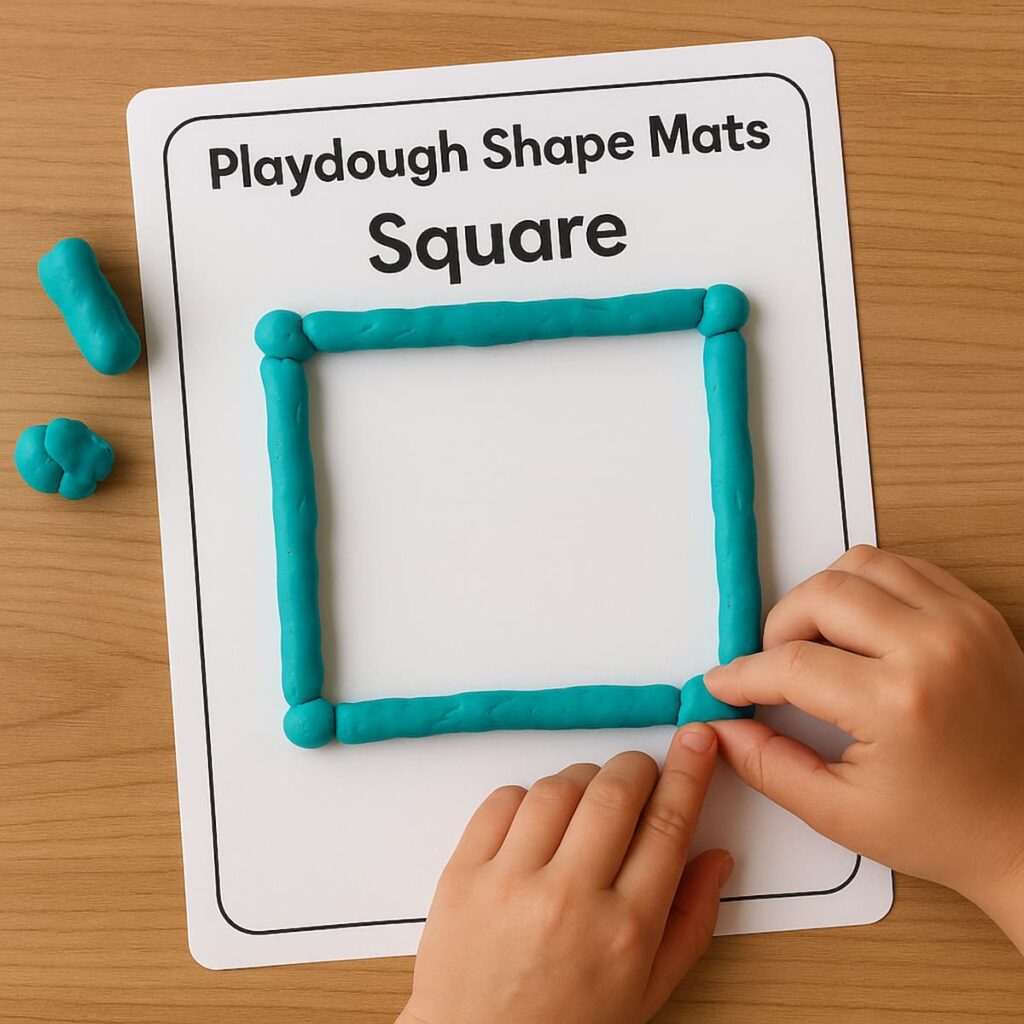
Shape Activities For Preschoolers And Kindergarteners