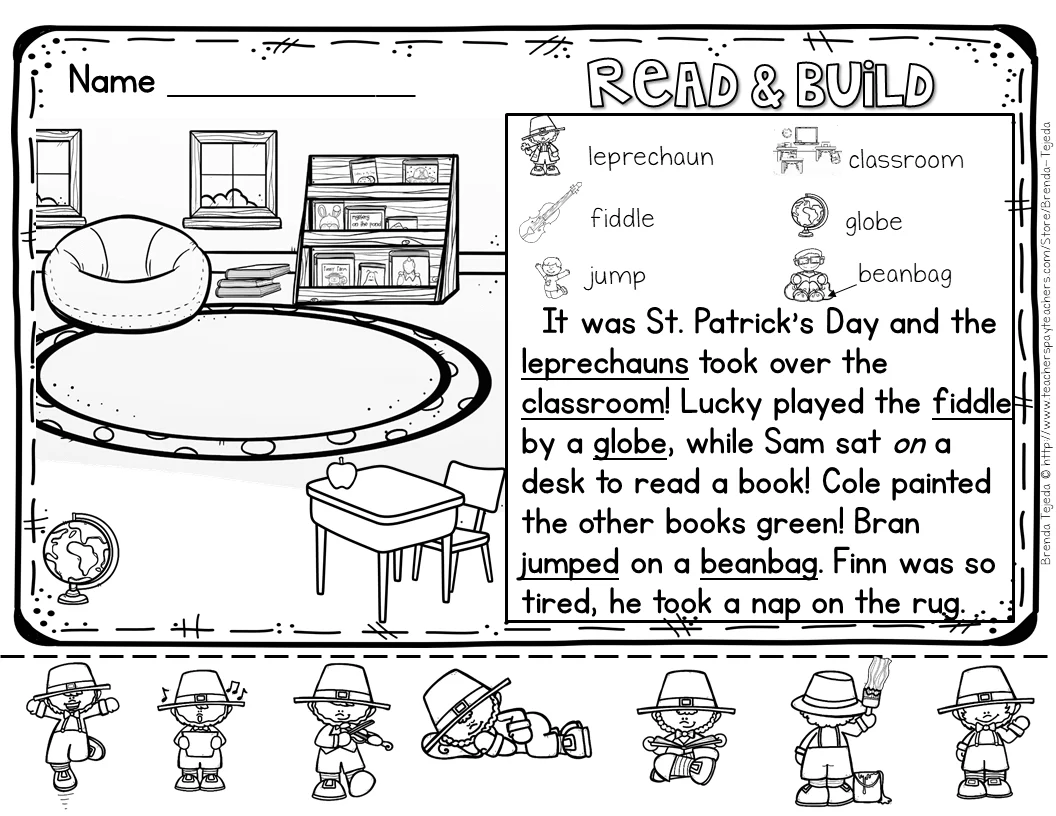
Engaging second graders in reading can be a delightful challenge, especially when incorporating hands-on activities. Cut and paste reading activities for second grade not only enhance literacy skills but also promote fine motor development. These interactive worksheets allow children to actively participate in their learning, making reading both fun and educational. In this article, we will explore various cut and paste activities that can be easily integrated into the classroom or at home.
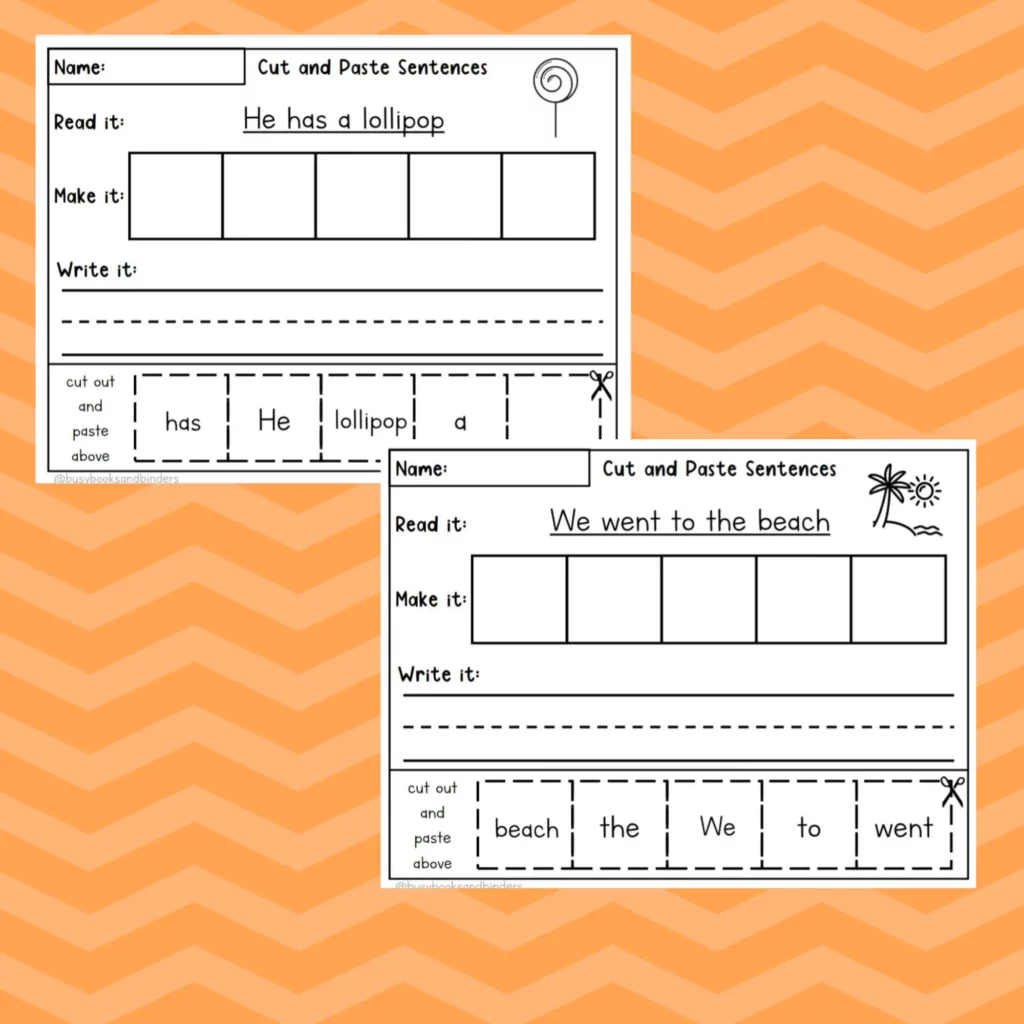
Cut And Paste Reading Activities For Second Grade
Benefits of Cut and Paste Activities
Cut and paste activities serve multiple educational purposes. They help improve fine motor skills as children practice using scissors and glue. Additionally, these activities encourage critical thinking as students sort, match, and organize information. By engaging with text in a tactile way, children can enhance their comprehension and retention of reading materials.
Types of Cut and Paste Reading Activities
- Story Sequencing: Students cut out sentences or images from a story and arrange them in the correct order.
- Character Matching: Children match character names to their corresponding images or descriptions.
- Word Sorting: Students categorize words based on themes or parts of speech by cutting and pasting them into different sections.
- Sentence Building: Children create sentences by cutting out words from a list and pasting them together.
Story Sequencing Activities
Story sequencing is an excellent way for second graders to understand narrative structure. Provide students with a short story printed on a worksheet, along with cut-out sentences or images that represent key events. After reading the story, ask students to cut out the pieces and arrange them in the order they occurred.
This activity not only reinforces comprehension but also allows for creativity as students can illustrate their sequences or add personal touches to their worksheets.
Example Activity: The Three Little Pigs
Create a worksheet featuring sentences from “The Three Little Pigs.” Include images of each pig and the wolf. After reading the story together, have students cut out the sentences and images, then paste them in order on a blank sheet of paper. This visual representation helps solidify their understanding of the plot.
Character Matching Activities
Character matching activities are perfect for helping students connect with the characters in a story. Provide a worksheet with character names on one side and images or descriptions on the other. Students will cut out each name and match it with the correct image or description by pasting it next to the corresponding character.
Example Activity: Famous Fairytale Characters
Create a worksheet featuring characters from popular fairytales such as Cinderella, Snow White, and Little Red Riding Hood. Include brief descriptions or illustrations for each character. As students match names to images, encourage discussions about each character’s traits and roles in their stories.
Word Sorting Activities
Word sorting is an effective way to enhance vocabulary and understanding of language structure. Provide students with a list of words related to a specific theme (e.g., animals, weather) along with categories such as nouns, verbs, or adjectives. Students will cut out the words and paste them into the correct categories on their worksheets.
Example Activity: Animal Classification
Sentence building activities allow children to practice grammar while being creative. Provide students with a selection of words printed on separate pieces of paper. They will cut out these words and arrange them to form complete sentences before gluing them onto a worksheet. Create a worksheet with various nouns, verbs, adjectives, and adverbs. After teaching about sentence structure, let students choose words to create their own unique sentences. This not only reinforces grammar but also encourages imaginative thinking.Sentence Building Activities
Example Activity: Create Your Own Sentences
Practical Tips for Implementing Cut and Paste Activities
Culminating Activities
After completing several cut and paste reading activities, consider hosting a “Reading Fair” where students can showcase their work. They can present their story sequences or character matches to classmates or family members. This not only builds confidence but also reinforces their learning through teaching others.
Conclusion
Cut and paste reading activities for second grade provide an engaging way for young learners to develop essential literacy skills while having fun. By incorporating these hands-on activities into your teaching strategy, you can foster creativity, critical thinking, and fine motor skills in your classroom or at home. Explore more resources on CutPasteWorksheets.net, where you can find additional worksheets tailored for early childhood education.
Download Cut And Paste Reading Activities For Second Grade
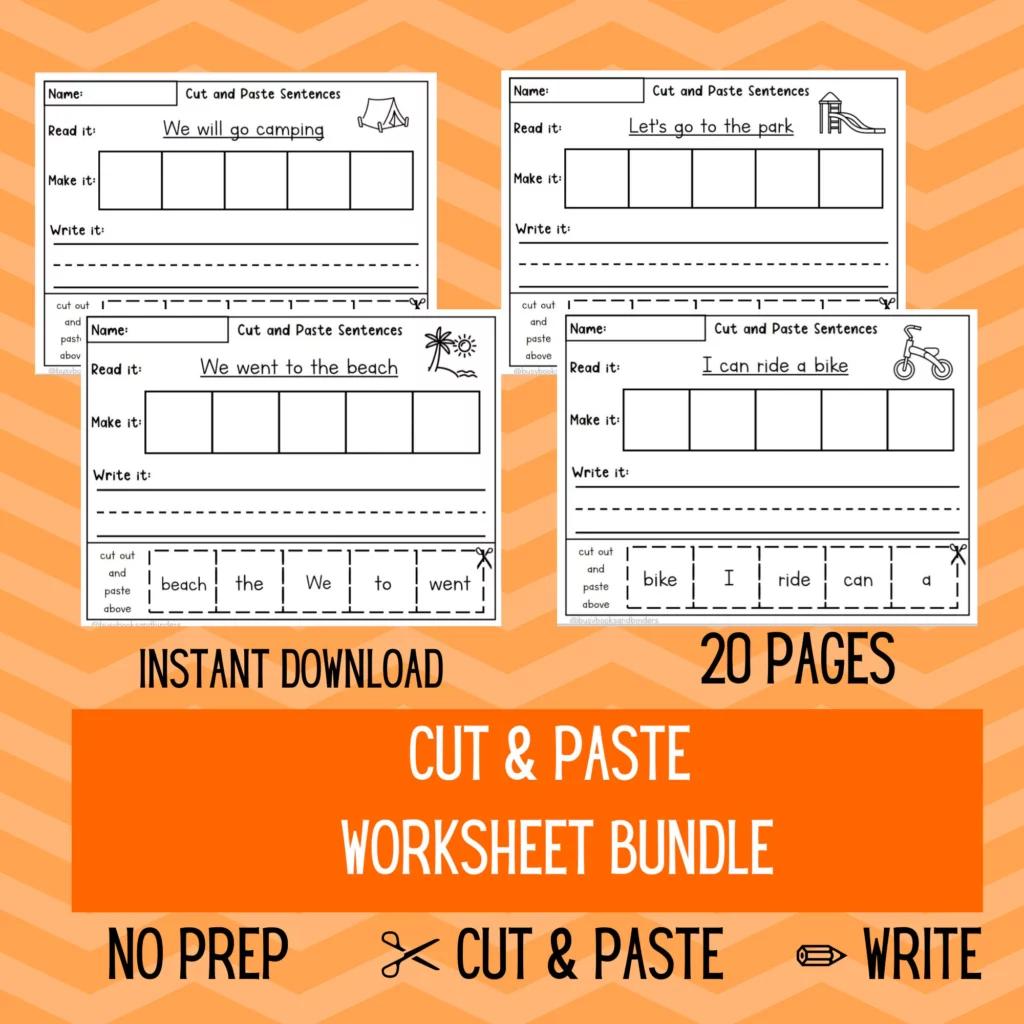
Kindergarten Cut And Paste Worksheet
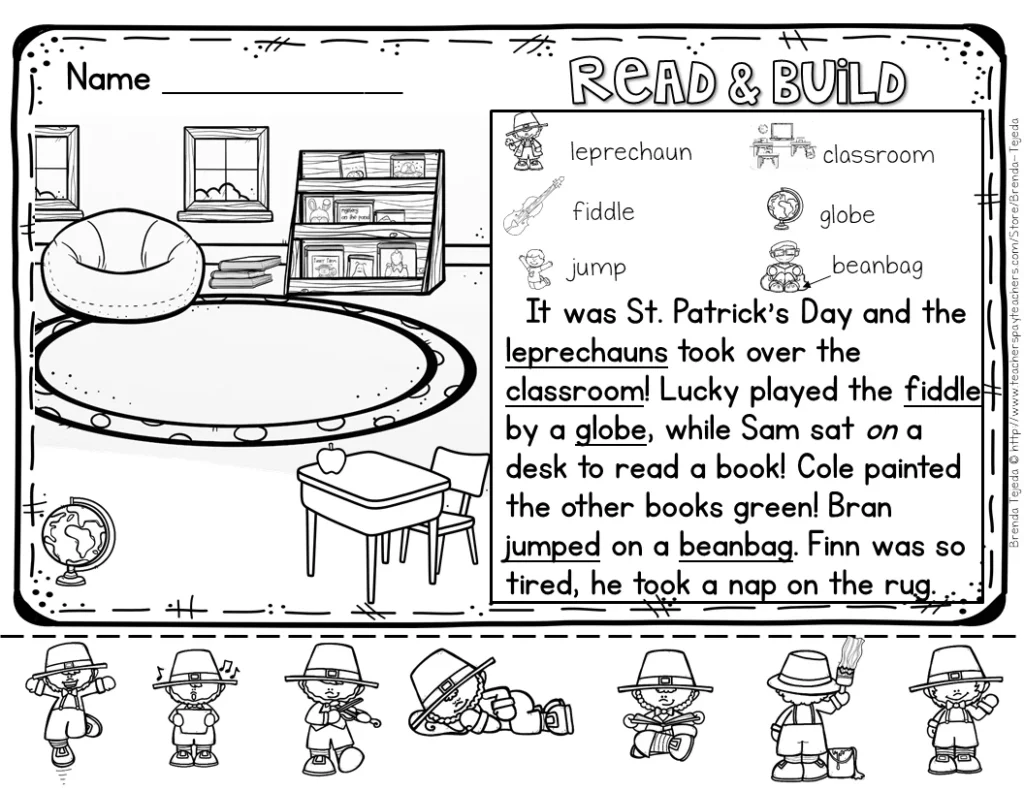
Reading Comprehension Cut Paste Passages Spring