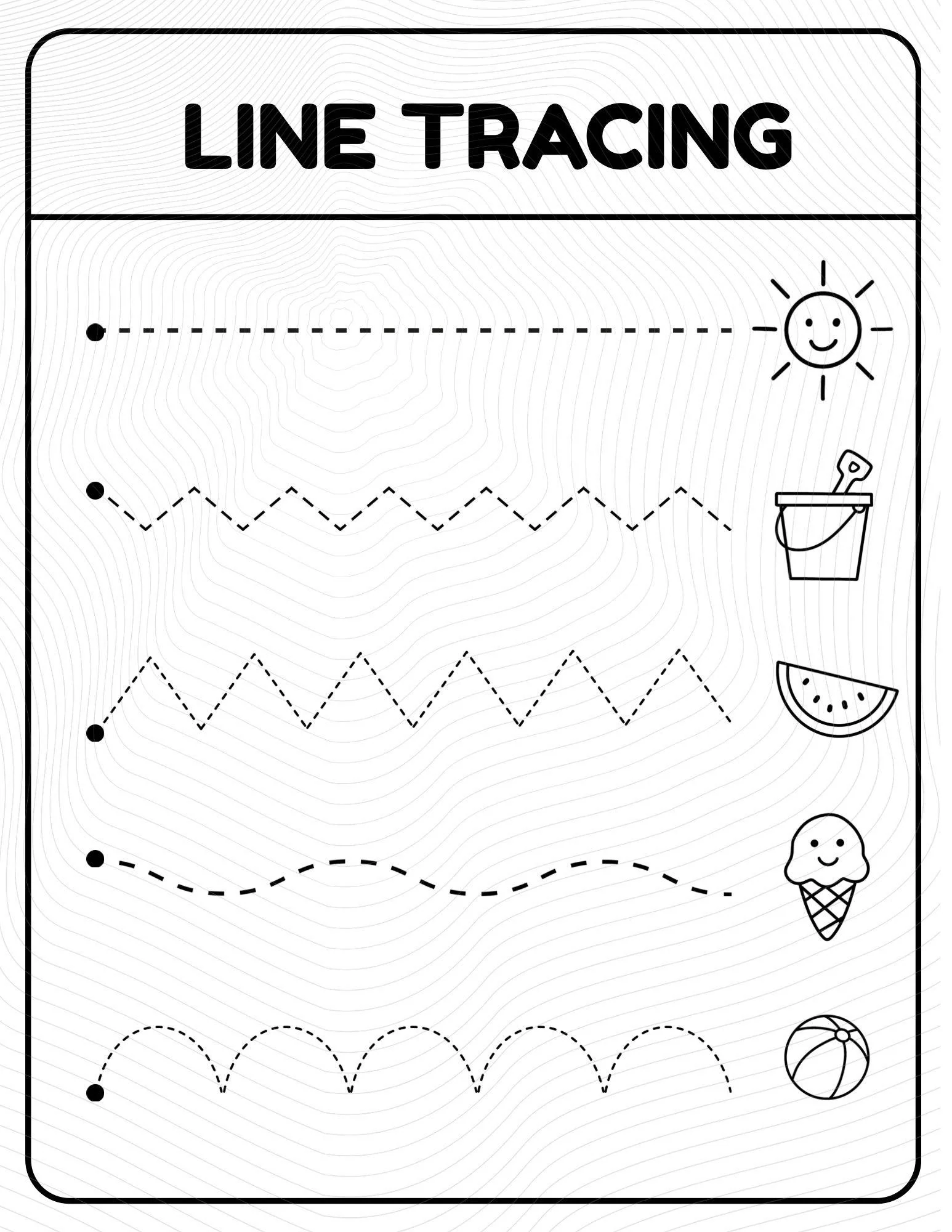
Introducing a Lines Worksheet for Preschool is an excellent way to engage young learners in developing essential fine motor skills. These worksheets not only provide a fun and interactive way for children to practice drawing lines but also help them build the foundational skills necessary for writing. In this article, we will explore various activities, teaching strategies, and practical applications of lines worksheets that can be utilized in both classroom and home settings.
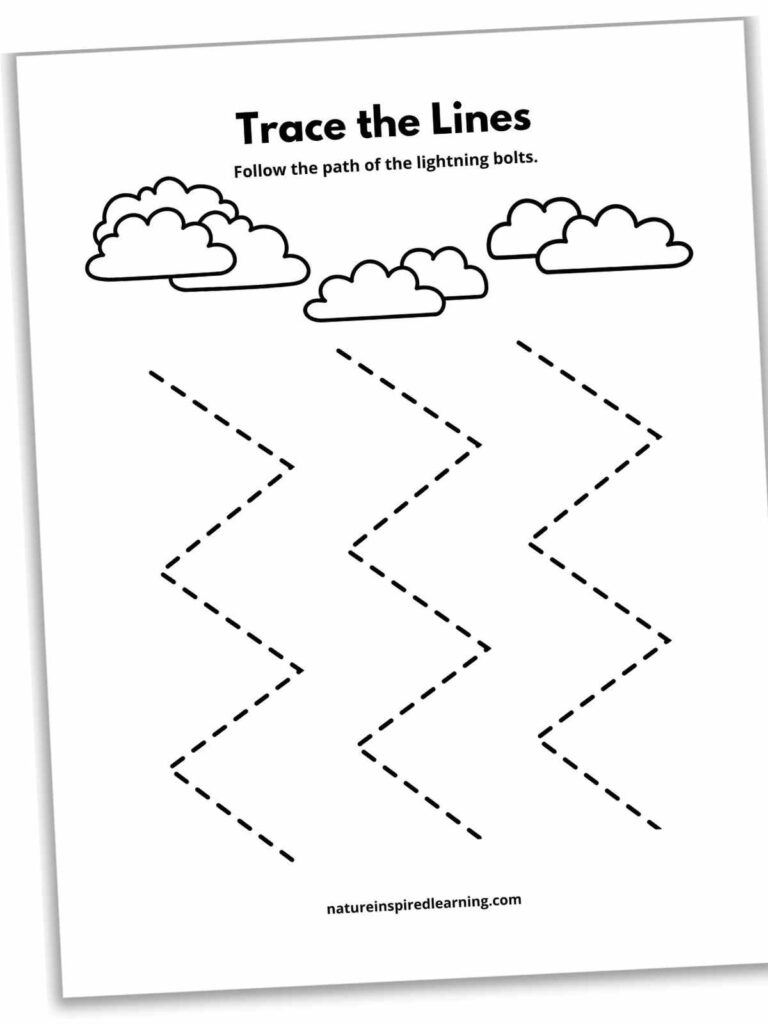
Lines Worksheet For Preschool
Understanding the Importance of Line Practice
Line practice is crucial for preschoolers as it lays the groundwork for future writing skills. By mastering different types of lines—straight, curved, zigzag, and more—children enhance their hand-eye coordination and dexterity. This practice also fosters early literacy skills as children learn to control their writing instruments.
Types of Lines Worksheets
There are various types of lines worksheets available that cater to different learning objectives:
- Straight Lines: Worksheets that focus on drawing straight lines help children develop control over their pencils or crayons.
- Curved Lines: These worksheets encourage children to practice making curves, which are essential for letters like ‘C’ and ‘S’.
- Zigzag Lines: Zigzag patterns can be fun and engaging, allowing children to experiment with direction changes.
- Combination Lines: Worksheets that incorporate various line types challenge children to apply their skills in more complex ways.
Hands-On Activities with Lines Worksheets
To make learning more engaging, consider incorporating hands-on activities alongside lines worksheets:
- Cut and Paste Activities: Provide children with pre-cut shapes that they can glue onto the worksheet along the drawn lines. This reinforces their understanding of line direction while enhancing fine motor skills.
- Tracing with Different Materials: Encourage children to trace lines using different materials such as sandpaper, string, or even finger paint. This multisensory approach makes learning more enjoyable.
- Outdoor Line Drawing: Use chalk on sidewalks or playgrounds to allow children to draw large lines. This physical activity promotes gross motor skills while reinforcing line concepts.
Teaching Strategies for Effective Learning
When introducing lines worksheets, consider the following teaching strategies:
- Modeling: Demonstrate how to draw each type of line clearly. Use a large marker or crayon so all students can see your movements.
- Pacing: Allow ample time for each child to practice at their own pace. Some may need more time to master certain line types.
- Positive Reinforcement: Celebrate small achievements by providing praise or stickers when children complete their worksheets successfully.
Differentiating Instruction for Diverse Learners
Recognizing that children develop at different rates is essential in any educational setting. Here are some ways to differentiate instruction when using lines worksheets:
- Simplified Worksheets: For younger or less experienced learners, provide worksheets with fewer lines or larger spaces to draw.
- Advanced Challenges: For those who excel quickly, introduce worksheets that require connecting dots or creating patterns using lines.
- Peer Collaboration: Pair students together so they can assist each other in completing the worksheets, fostering social skills alongside academic ones.
Practical Applications at Home
The use of lines worksheets is not limited to the classroom; they can also be effectively used at home. Parents can create a fun learning environment by incorporating these activities into daily routines:
- Dinner Table Drawing: Set up a drawing station at home where children can practice their lines while waiting for meals.
- Sensory Bins: Fill a bin with rice or sand and have children use their fingers to draw lines in the material before transferring those skills to paper.
- Themed Worksheets: Create seasonal or holiday-themed lines worksheets that align with family activities, making learning relevant and exciting.
The Role of Fine Motor Skills Development
The connection between fine motor skills and early literacy cannot be overstated. As preschoolers engage with lines worksheets, they strengthen their hand muscles and improve grip control. This development is vital for tasks such as holding a pencil correctly and forming letters accurately. Encourage consistent practice through various activities that promote fine motor skill enhancement alongside line drawing exercises.
Conclusion: Embracing Hands-On Learning
A Lines Worksheet for Preschool serves as a valuable tool in fostering essential skills among young learners. By integrating hands-on activities, differentiated instruction, and practical applications at home, educators and parents can create an enriching environment that supports children’s growth in fine motor skills and early literacy. Explore more engaging resources on our website to enhance your preschool curriculum!
Explore more preschool worksheets here!
Discover early learning resources here!
Download Lines Worksheet For Preschool
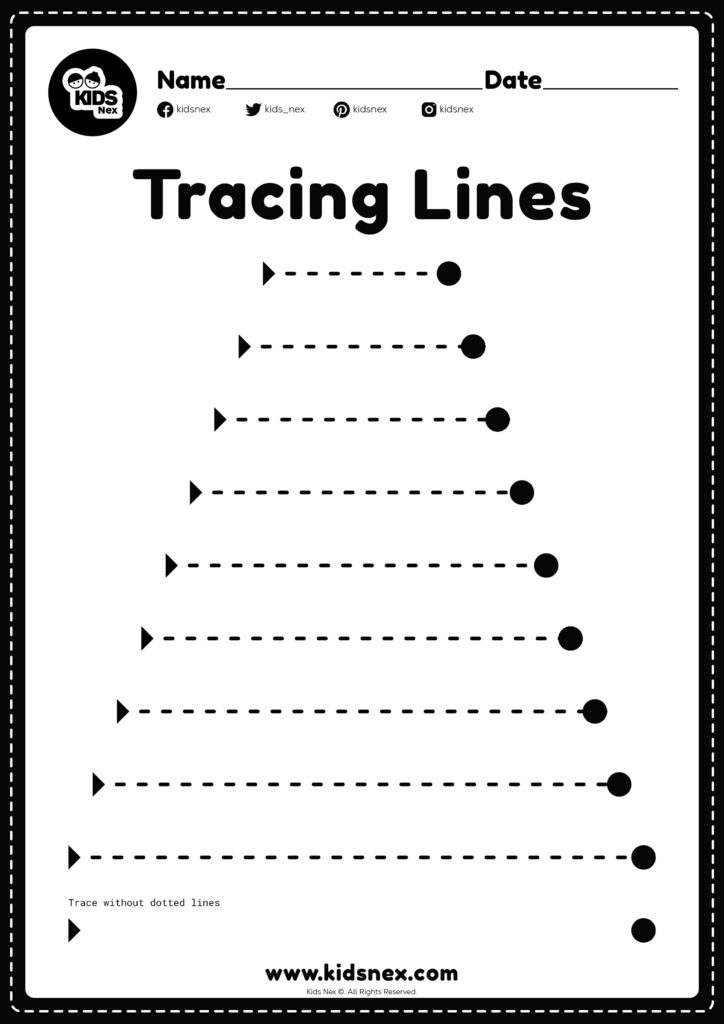
Tracing Lines Worksheet
Printable Summer Line Tracing Preschool